




Graphic: Map of Gaza showing its five districts and the location of the Sakany family home in Gaza City.
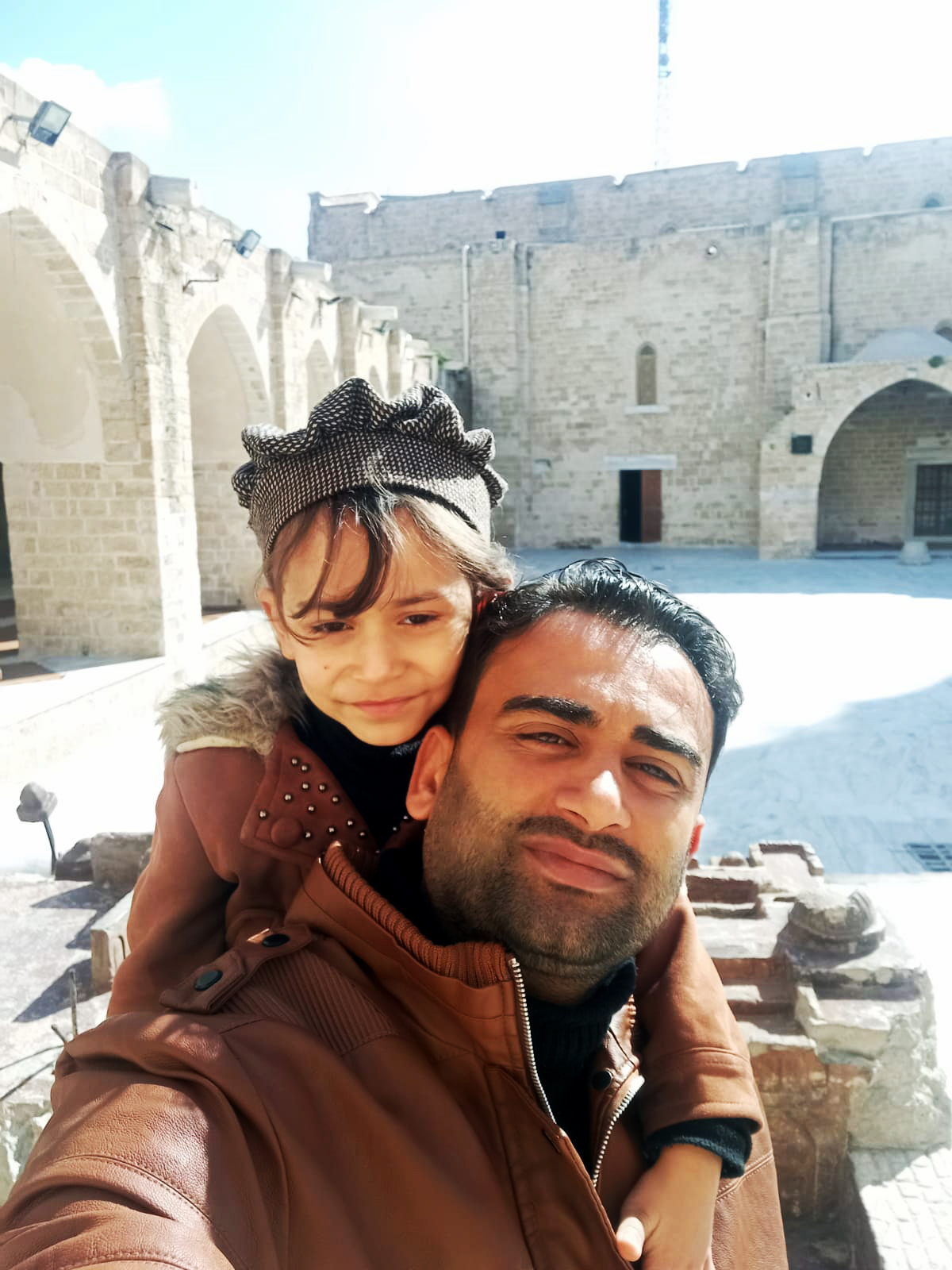
Before Hamas militants broke out of Gaza and launched their bloody rampage in southern Israel on October 7, 2023, Ramy al-Sakany, 35, a maths teacher, was living what he describes as a happy life.
He, his wife and four daughters lived in a flat in a building owned by his father; his parents and younger brother lived above them, and a married brother above that. On Fridays the family often gathered for a barbecue on the roof of their building in the middle-class Tuffah neighbourhood of Gaza City.
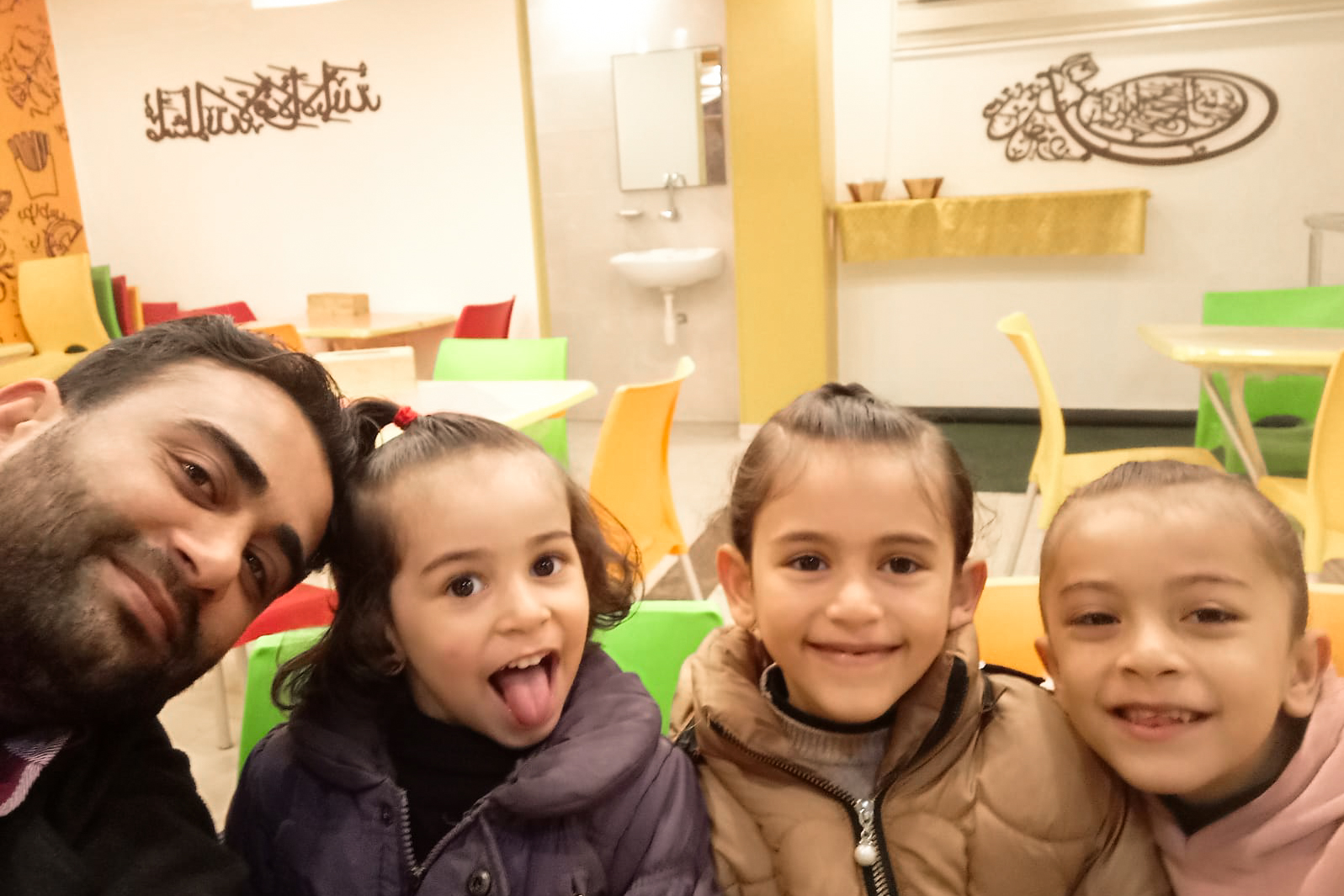
Ramy worked at a school, where he was popular with his teenage pupils. He liked to take his daughters — Warda, now 10, Lara, 9, Mennatallah, 7, and Wakim, 2 — to eat ice cream, to play in a children’s area at the mall, or to visit an amusement park.
Inside the crowded, hemmed-in Gaza strip — where more than 2mn people live on a 41km-long stretch of land between Israel, Egypt and the sea — some Palestinians celebrated when Hamas militants burst into Israel, killing 1,200 people, according to Israeli authorities, and taking 250 hostages in the worst attack since the Jewish state’s foundation.
Ramy did not. “Unlike many others, [the Hamas attack] did not make me happy,” he said. “I knew what would come next. And as I expected, the Israeli response was very harsh.”
A year of relentless Israeli bombardment has reduced much of the enclave to rubble. Israeli attacks have killed almost 42,000 Palestinians, according to authorities in Gaza, while its siege of the strip has brought many others near to starvation. Air strikes and ground battles continue.
Sept 2023

Number of damaged
buildings in each area
0
369
After the October 7 attacks, Israel ordered the ‘complete siege’ of Gaza. Widespread bombardment and a ground invasion followed. A ceasefire the following month did not hold.
In the first few months of 2024, Israeli forces swept south, seizing control of the Rafah border crossing in early May. The threat of famine increased as food shortages worsened.
More than half of all Gaza’s buildings have now suffered damage, rising to nearly 80 per cent in Gaza City. Almost 42,000 Palestinians have been killed and two million left homeless.
More than 2mn Palestinians have been violently displaced around the devastated strip, and shunted into ever smaller patches of land by successive Israeli evacuation orders. For Ramy and those of his family that have survived — as for most Gazans — October 7 was the start of an odyssey that has still not ended, in search of basic necessities and somewhere safe to shelter.
Before the war, Ramy’s youngest brother Mostafa, 17, wanted to be a doctor; he was preparing for crucial exams to enable him to study medicine in Egypt.
“He would have been the first doctor in the family,” said Ramy, whose five other siblings all qualified as teachers. “I wanted to be a doctor myself, but at the time my father could not afford it.” Before he retired, Ramy’s father was a taxi driver with a licence to take passengers into Israel.

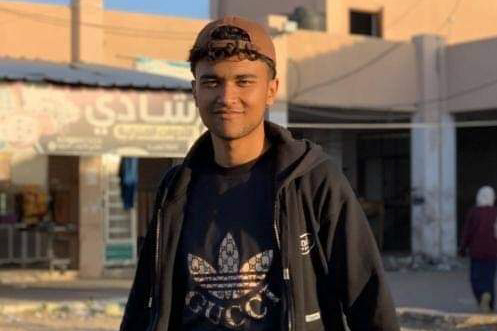
Mostafa loved playing games on his mobile phone. And he was mad about football, said Ramy. “Like me he was a Barcelona fan, and he played football a lot, even when we were displaced. Before the war, he played defence for the Tuffah club.”
The morning war broke out, Ramy and his wife Fatheya were getting their daughters ready for school when they heard Hamas rockets and explosions reverberating in the sky. The couple decided to hunker down with their children at home.
The next few days brought terror, even for a family that had lived through previous conflicts. The roar of Israeli missiles “made the house shake violently like in an earthquake, and the night sky was all lit up with rockets,” Ramy said.
“The children were terrified. They could not sleep except in my arms or with their mother or grandmother,” he said. “In past wars we used to calm them down by saying ‘this has nothing to do with us’, but this time we couldn’t even calm ourselves.”
They spent one night with Fatheya’s family and another at a UN school. The bombardment was relentless.
OCTOBER 2023

Graphic: Map of Gaza showing the location of the Sakany family home in Gaza City in the north and an arrow indicating their journey south to Rafah
After six days, Israel ordered the estimated 1.1mn residents of northern Gaza to leave. So the Sakanys piled into two cars and headed south, along with hundreds of thousands of others.
“We thought we would be away for a week or two, so we took nothing with us,” said Ramy. “There wasn’t enough room in the cars except for the family.”
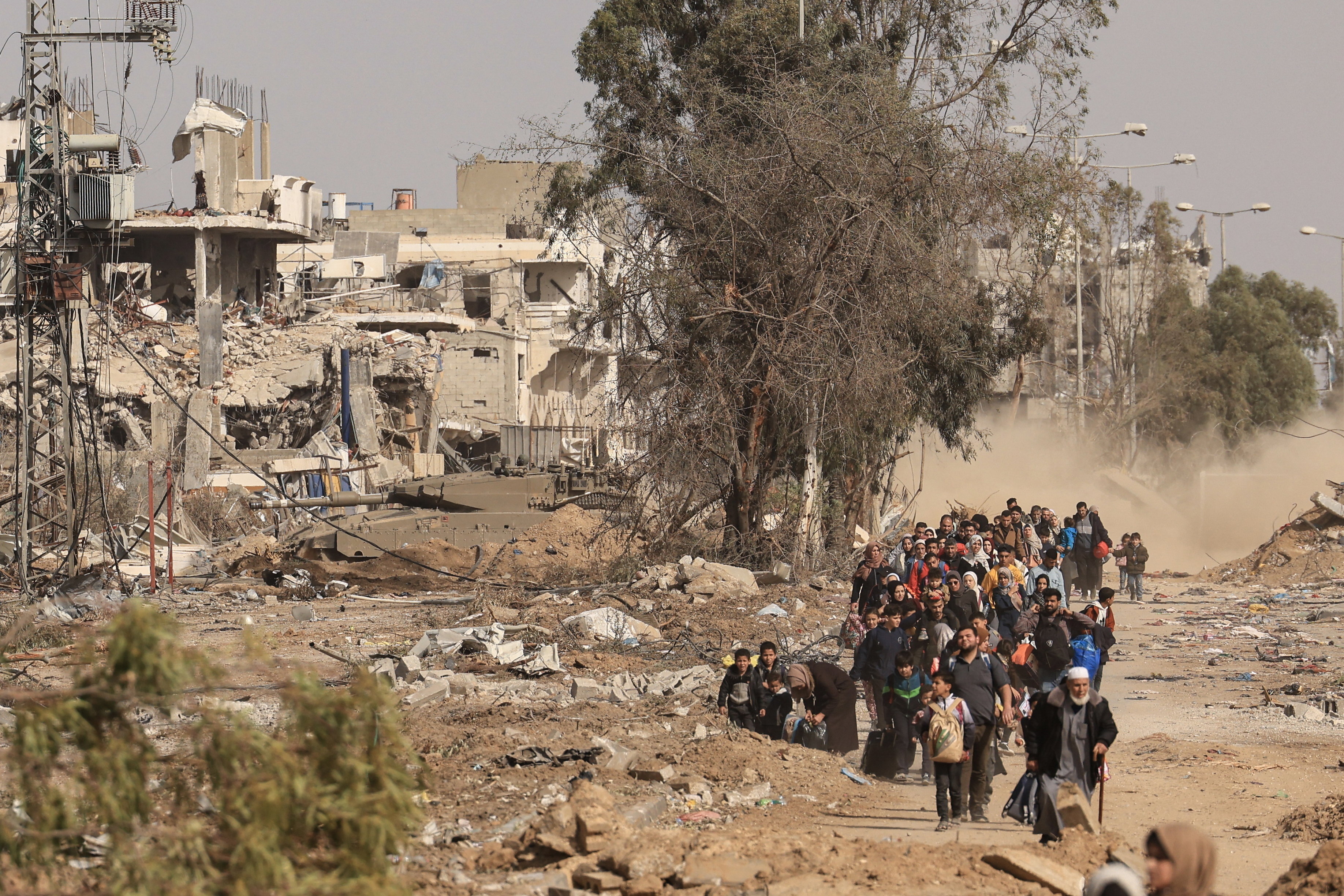
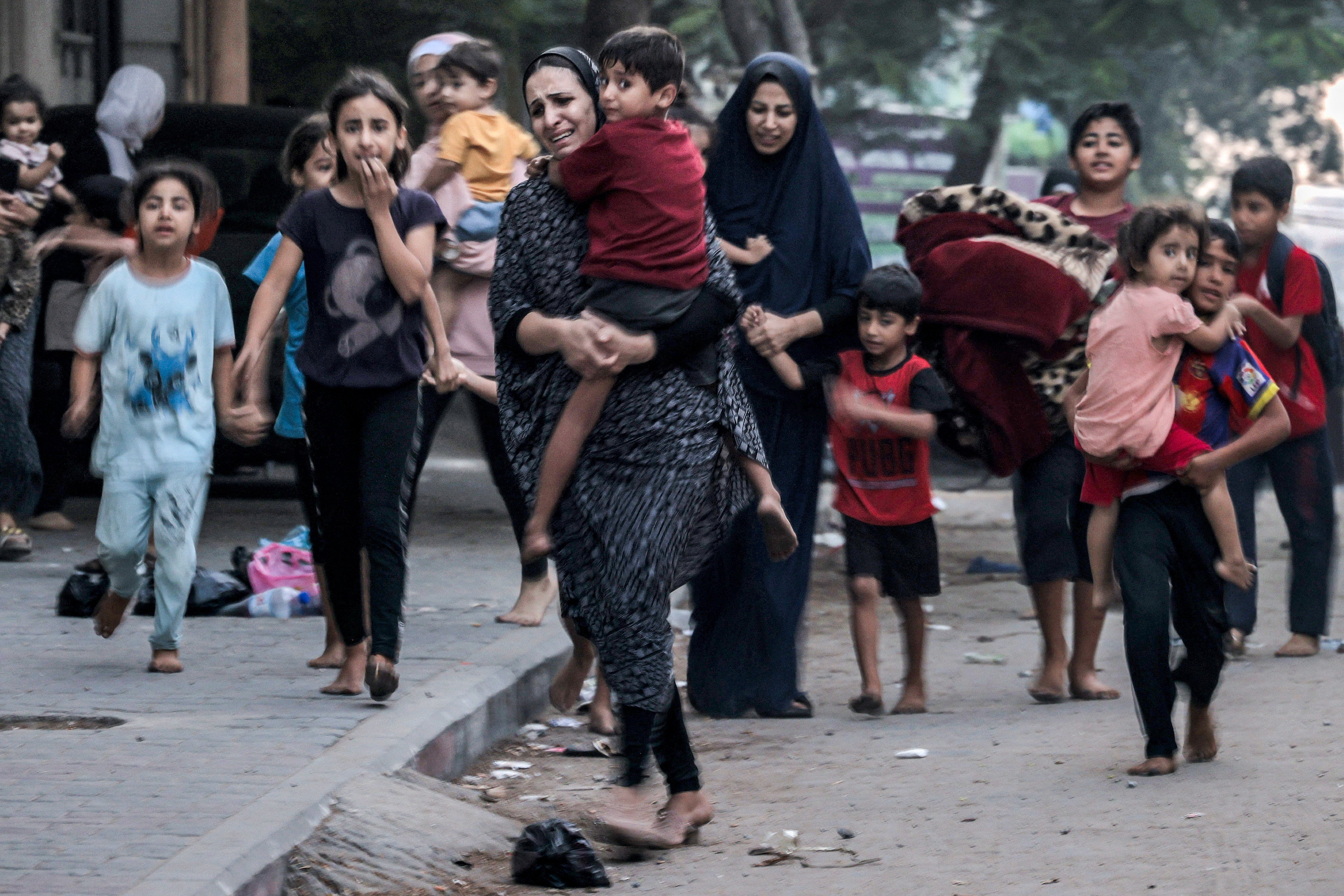
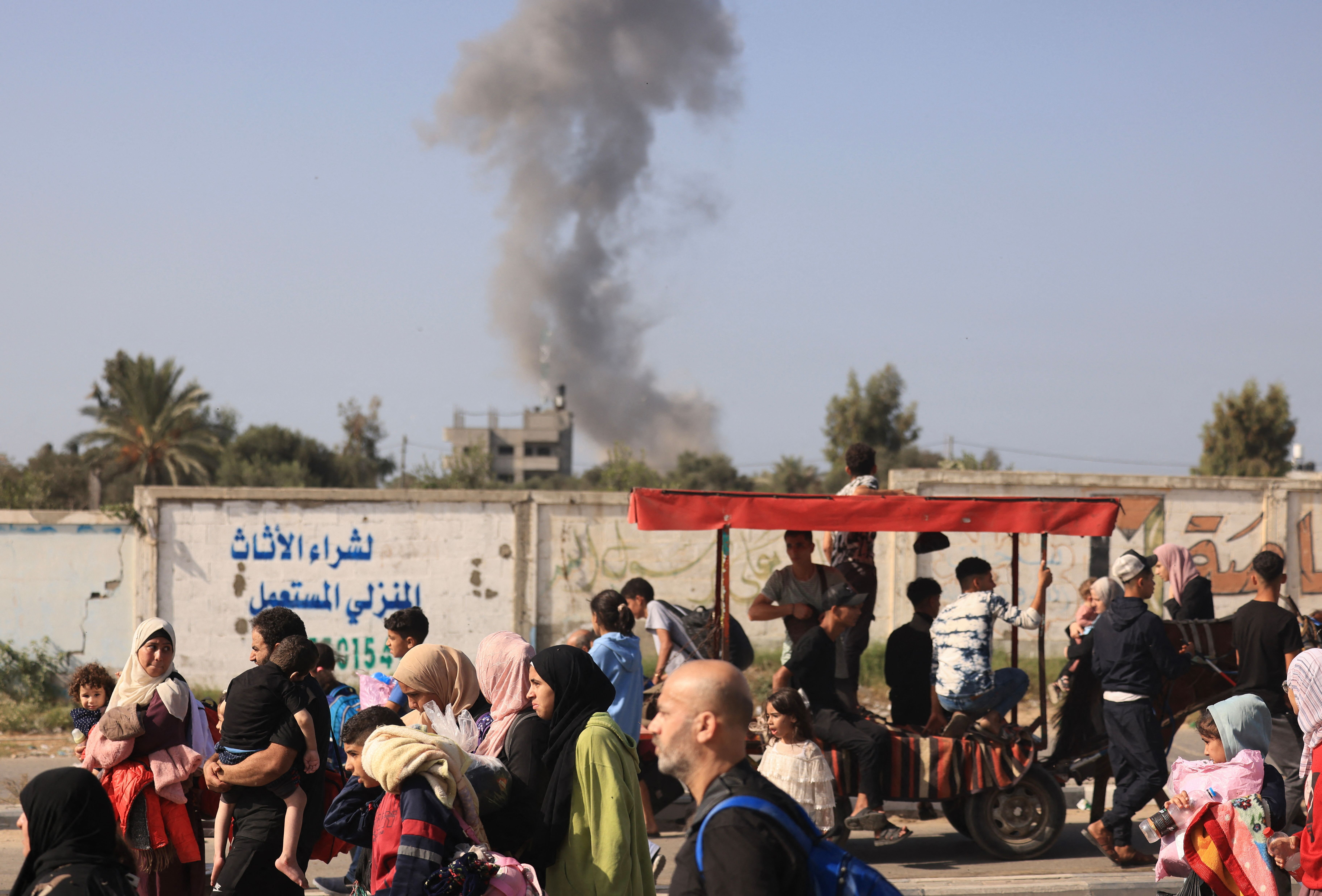
Ramy’s pregnant sister, Sabrine, was already in the south. The 27-year-old and her family lived in a flat in the Shaboura refugee camp in the city of Rafah, close to the Egyptian border. But their home was too small for the extended family.
OCTOBER 2023 - MARCH 2024

Graphic: Map of Gaza showing the Sakany family’s journey from a Rafah refugee camp to the city’s Saudi district
After a few days, Ramy moved his family into a one-bedroom flat in the Saudi 2 district of Rafah — a large complex of apartment blocks funded by Saudi Arabia — where they squeezed in with a married brother and his wife and child.
“Prices in Rafah were phenomenally high. We could afford neither food, nor drink, nor anything,” he said. “There was little food aid getting in. The worst thing is when your daughter asks for a banana or a tomato, and you can’t get it.”
The rent, he said, at 1,000 shekels ($265) per month, was ten times the pre-war rate for such a tiny flat in impoverished Gaza. And now, after Israel cut power and fuel supplies, there was no electricity and little water. After three months, the landlord kicked the family out because he wanted to increase the rent even more.
Ramy took his wife and children to another flat nearby, which was yet more expensive at 1,800 shekels. Each time they were forced to move, they lost more of their meagre belongings. They were growing weak and exhausted. The only constant in their lives was the incessant air strikes.
Rafah’s Saudi district has suffered widespread damage


Graphic: Satellite images from August 2023, March 2024 and September 2024, showing tents appear, then disappear and damage to buildings, including a mosque
Food aid entering the strip has been far less than the territory’s population needs; the UN has repeatedly accused Israel of obstructing access to humanitarian supplies. Aid groups have struggled to distribute goods within Gaza as it became increasingly lawless, with the constant risk of looting by Palestinian gangs and Israeli attacks.
Unlike some Gazans, Ramy has continued to receive his teaching salary: a “good” rate of about $800 a month. But in day-to-day life that is little help. Banks and ATMs are closed or destroyed. The only way to secure cash is by making a transfer using a banking app to a shopkeeper who has liquidity. Such rare opportunities enable access to shekels — albeit at a commission of up to 25 per cent.
After less than three months in the flat, Ramy had run out of money.
APRIL - MAY 2024

Graphic: Map of Gaza showing the Sakany family’s journey from Rafah’s Saudi district to a nearby neighbourhood known as Tal al-Sultan
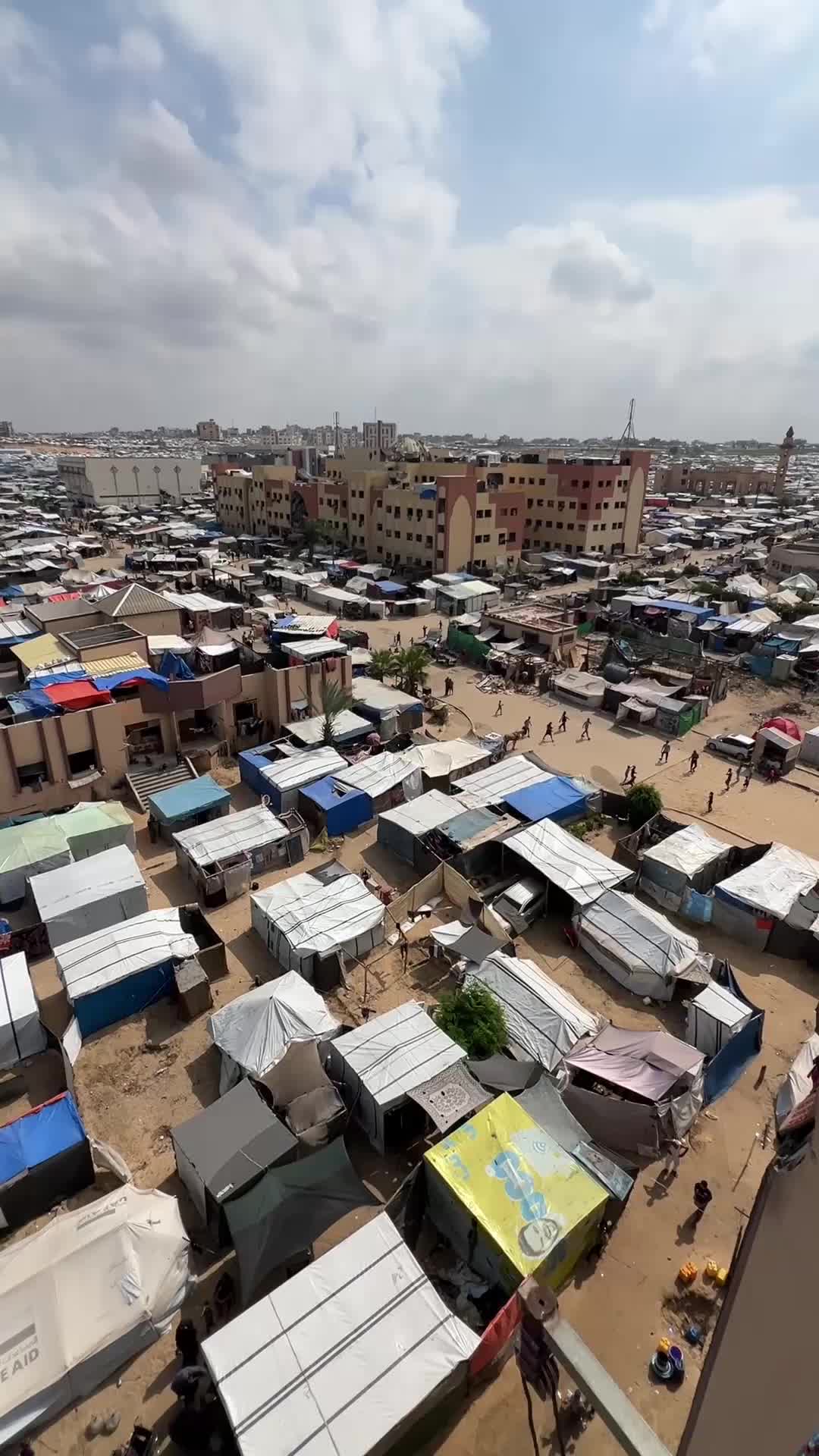
The only option, for Ramy, his family and hundreds of thousands of others, was to live on the streets of Rafah. His comfortable home just a memory, he rigged up a makeshift shelter from wooden poles and plastic sheets in the Tal al-Sultan neighbourhood.
The sounds of war were never far away. His daughters, said Ramy, “have become used to the sound of distant bombardment, and can recognise drones and war planes by the sound they make”. “They are children without a childhood,” he said.
Also hard, he said, was the feeling that his children had “become a burden” because he has to “carry them and carry their things as they move from place to place. This feeling is awful for a father.”
By now Ramy’s wife was pregnant. They were scrabbling to survive.
Then the family received its biggest blow of the war.
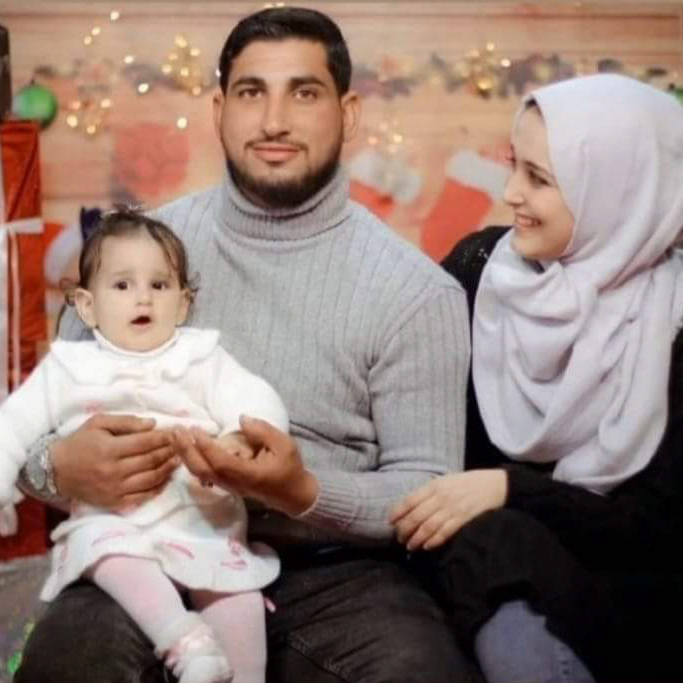
In April, Ramy said an Israeli missile hit the home of Sabrine, Ramy’s sister, in Rafah. She, her husband, and Ramy’s younger brother Mostafa, who had dreamed of being a doctor, were killed.
Medics took his sister’s body to hospital and cut out her unborn baby — a girl, delivered at 30 weeks, who died after a few days.
Ramy had to collect Mostafa’s shredded remains from the wreckage of the flat. “He was the youngest and I am the eldest, so he was like a son to me,” said Ramy.
“At the beginning of the war I would have said my dearest wish was to go back to my home in Gaza City, but now I would give that up if only Mostafa could come back.”
MAY ONWARDS

Graphic: Map of Gaza showing the Sakanys’ journey from Rafah to the Al-Mawasi area, next to the strip’s coastline
For several weeks the exhausted family remained in their makeshift shelter in Rafah. But then, despite Israel’s allies urging it to hold back, on May 7 Israeli tanks moved into the city, which was crammed with 1mn displaced people. The Sakanys were once again forced to move.
“Displacement is the biggest suffering because you don’t know where to go and if you are going to find a good place,” said Ramy. “There are all these questions like ‘Will there be food? Will there be a ride to get us there? Once we arrive, will there be space for our tent?’ Maybe it won’t be safe, maybe there won’t be water.”
He was deeply concerned for his children. Not only have they missed a school year, but they are “becoming aggressive after all the bombardment and destruction they have witnessed”.
“They fight and hit each other and want to play out all the time. They always say it looks like we will die here, and never go home,” he said.
Their next stop was no more hospitable than the last. Lacking any infrastructure, the previously abandoned Al-Mawasi area on the coast had been designated as a “humanitarian area” by the Israelis, but has still been repeatedly hit by air strikes. Ramy found a spot to put up a shelter for his family and next to it another for his parents, on the grounds of the war-damaged Aqsa University.
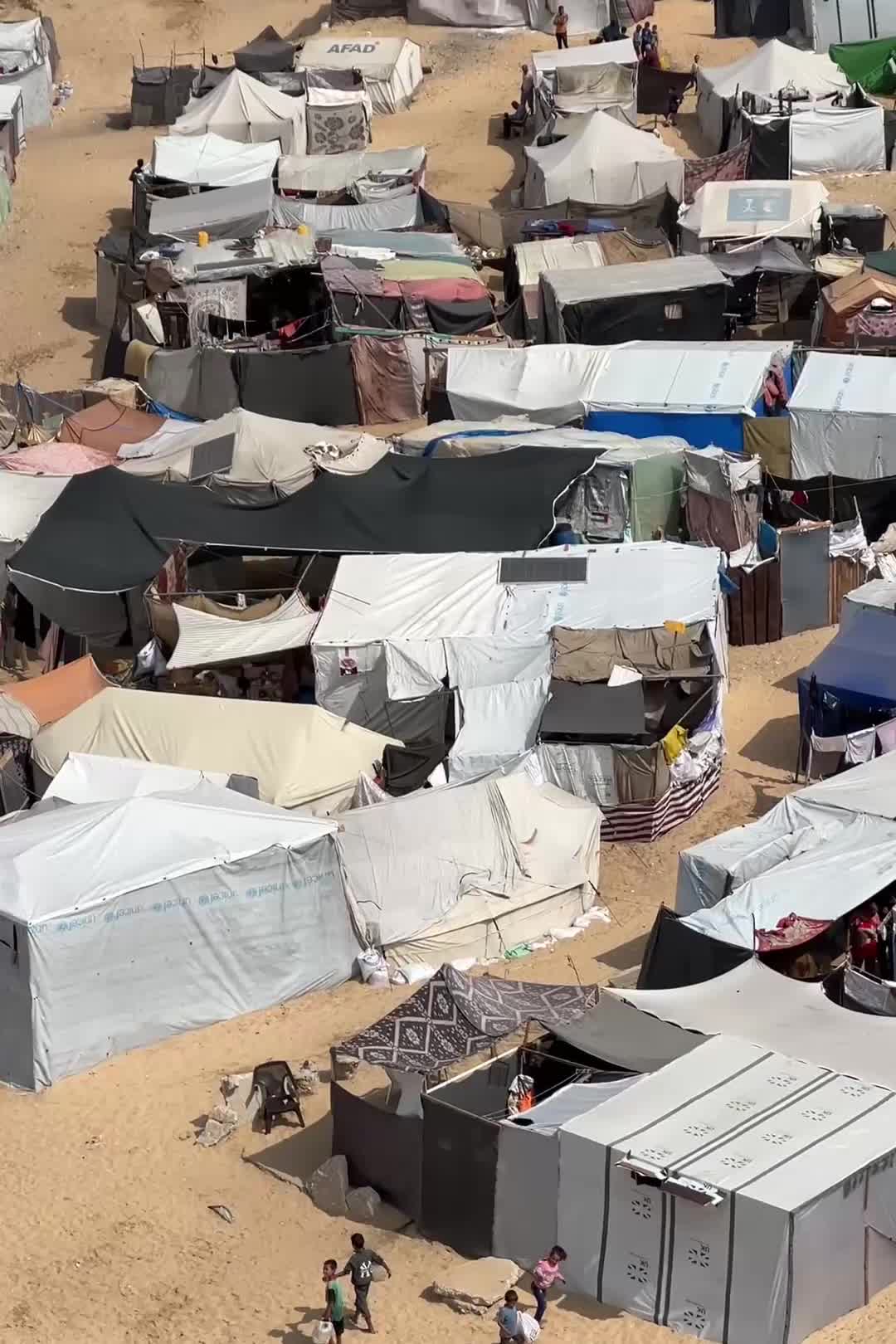
As summer temperatures soared, the temporary structures covered in plastic sheeting became unbearably hot.
“The heat is stifling and there are insects that I am seeing for the first time in my life. Most of us have skin conditions because of the extreme heat and humidity and the lack of soap and shampoo,” said Ramy.
No sanitation is available. For a toilet, the Sakanys have dug a hole near their tent and rigged up some cloth around it to shield users from view in the congested encampment.
Uncollected garbage festers. “A mountain of waste behind the university is almost as tall as the building itself,” said Ramy. “It stinks and there are dead animals in it.”
The damaged Aqsa University in Al-Mawasi has become a makeshift camp


Graphic: Satellite images of the Aqsa University area of Al-Mawasi. The first images are from before the current conflict, showing the location of its arch and mosque. The second image is from May 8, 2024, showing hundreds of tents and damage to the university’s arch and mosque. A pile of waste can also be seen. The third image is from May 21, 2024, showing many more tents in the university grounds, including next to the growing pile of waste.

Like his neighbours in Al-Mawasi, he spends his nights trying to stay awake to guard against thieves who roam through the encampment, stealing money, mobiles, tools and the rechargeable batteries used to power basic lights.
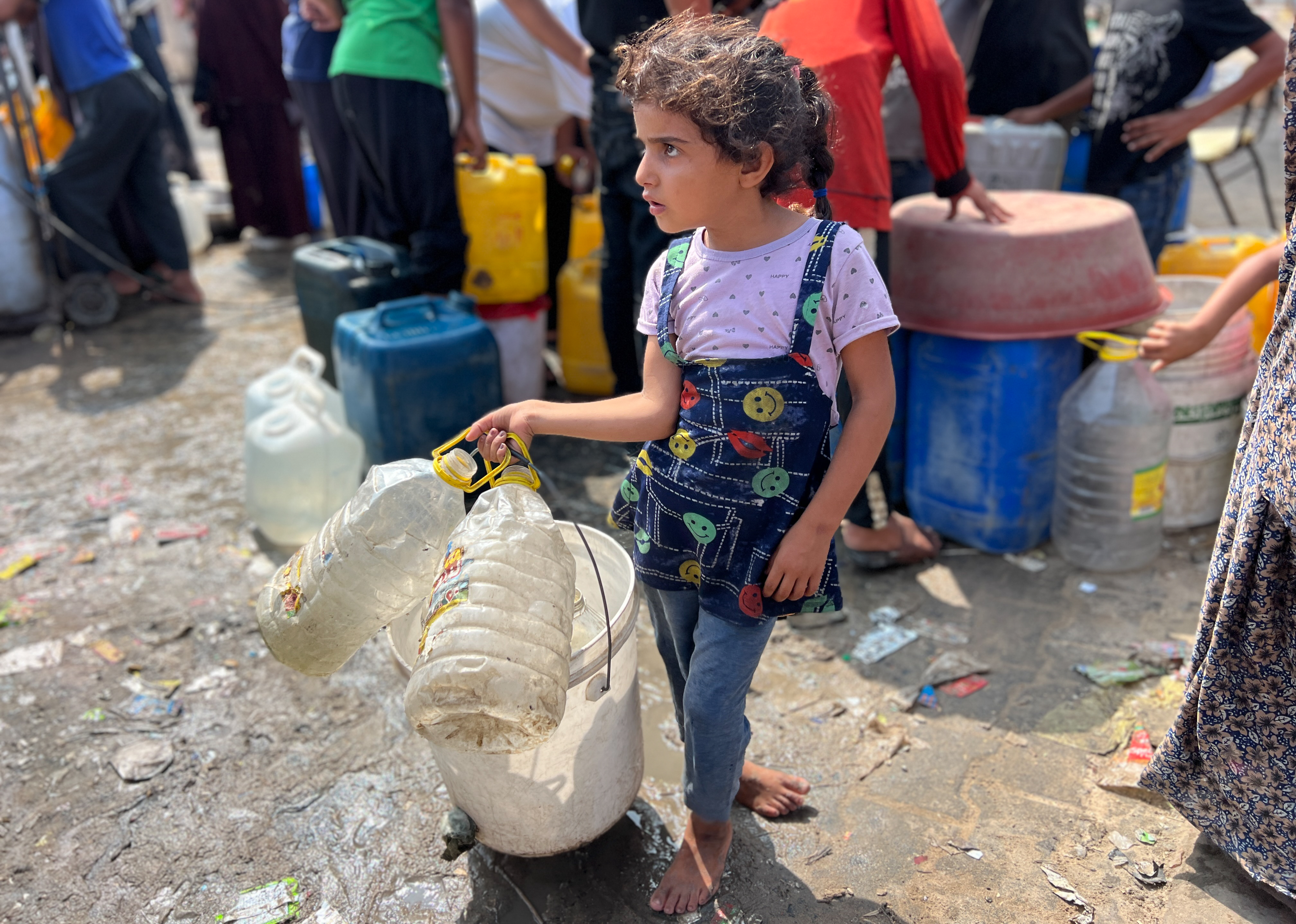
During the day, fetching water is Ramy’s main occupation. This involves waiting for as long as two hours to buy 60 or 70 litres of water, and carrying it 1km to their shelter with the help of his mother or a daughter. The water itself, he said, is “not fit for drinking, but people drink it anyway”.
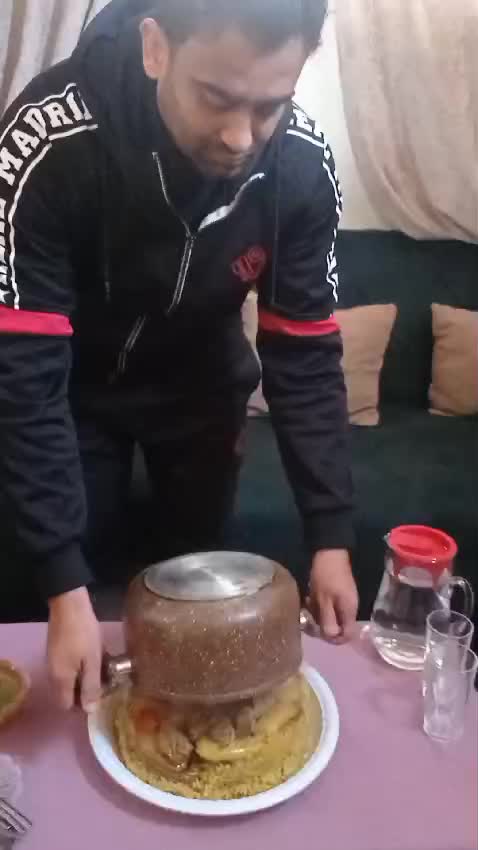
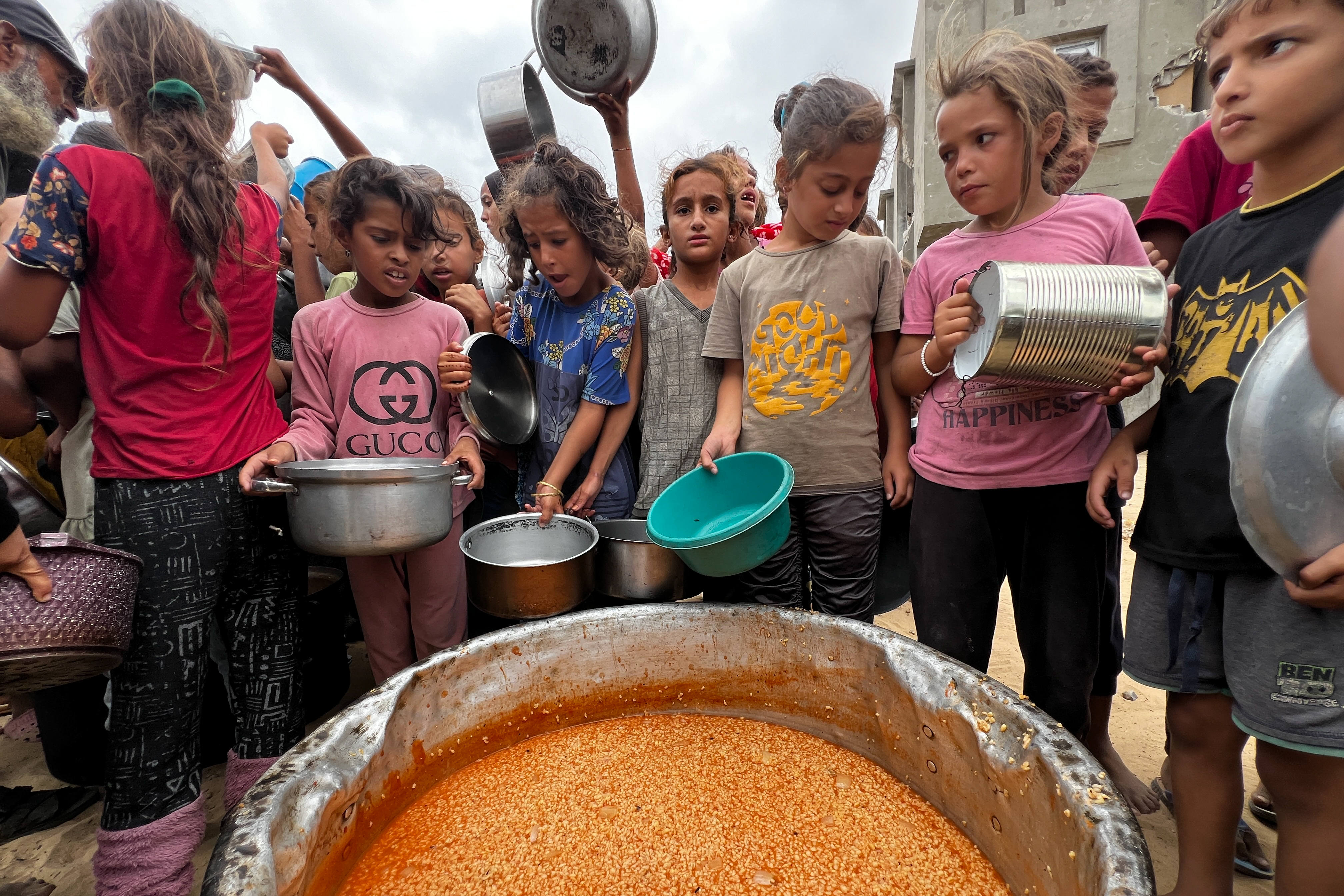
The family survives on canned beans, cheese, instant noodles, rice and pasta. Fresh vegetables at wartime prices are beyond their means. They buy a little fruit for the children once or twice a week. Meat is rare and can be dangerous: not enough electricity means shops have no proper refrigeration and food rots. A meal of liver made them all sick. “We’ve all lost weight,” said Ramy.
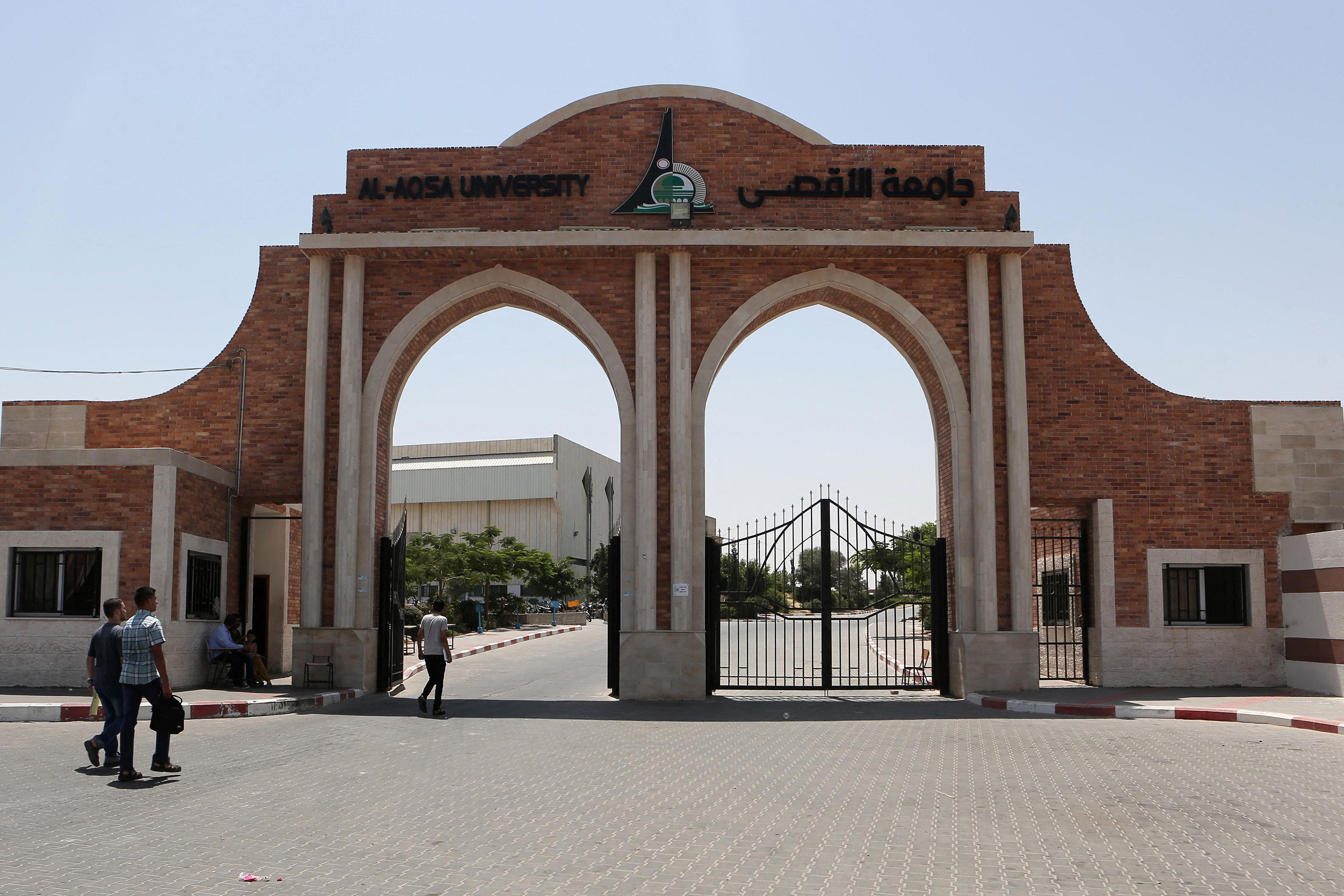
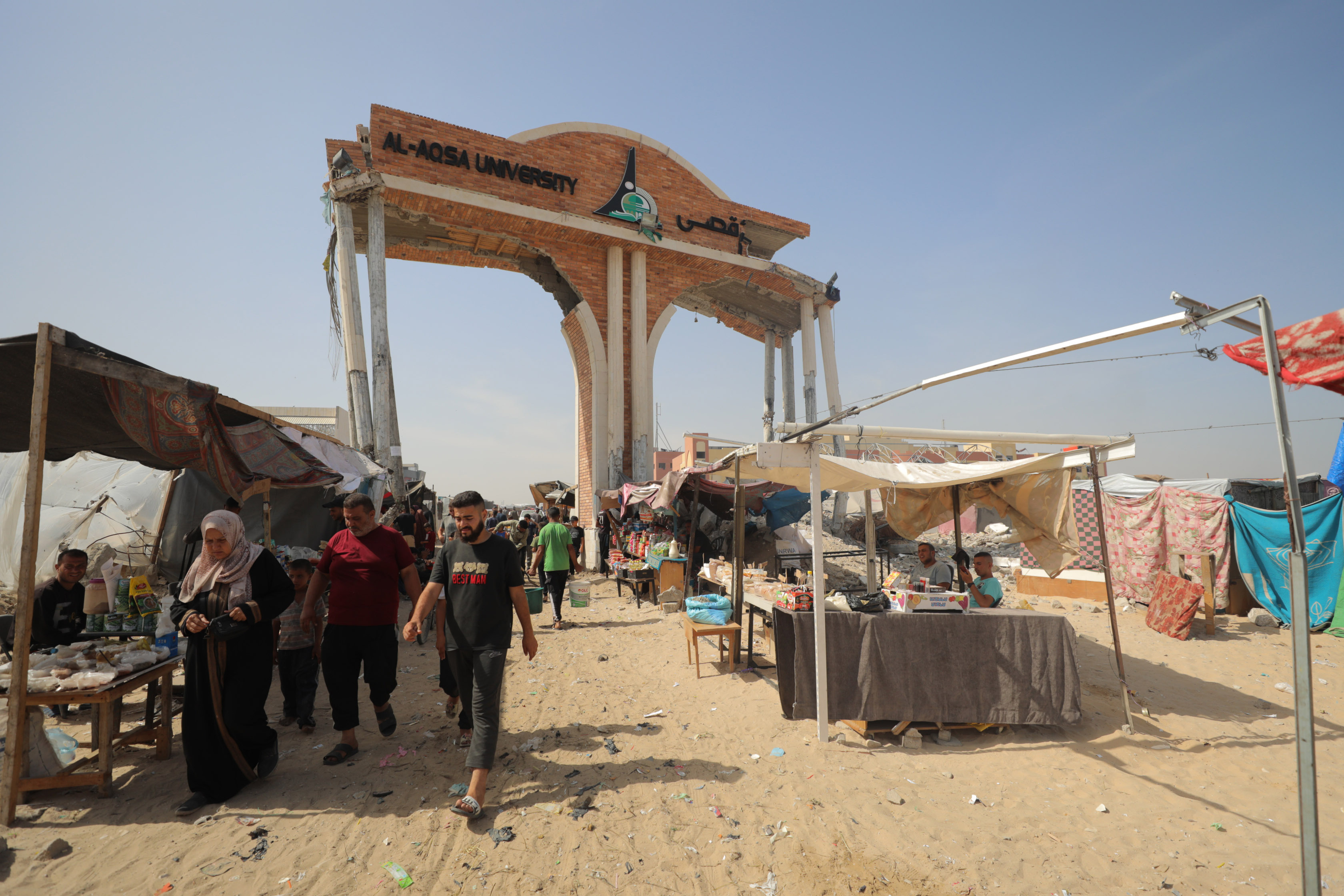
He has been trying to teach his children Arabic, maths and the Koran. It upsets him that they have no changes of clothes and no toys, and can seldom wash. “They play in the sand which is dirty and disgusting, and we try to prevent it, but there is no way, because we’re living on the sand.”
When someone stole his daughter Mennatallah’s slippers, he could not find any footwear to buy. Eventually he secured a pair that were too big for her.
“It was the worst thing for me to watch her go barefoot,” said Ramy.
As the family fled from place to place, talks were taking place mediated by diplomats from the US, Qatar and Egypt to try to reach peace in Gaza. The aim was to secure the release of Israeli hostages still held by Hamas in exchange for a ceasefire. But since a brief pause in fighting last November, the talks have failed.
Now, as Israel steps up its conflicts with Hizbollah and Iran, war is spreading across the region while the fighting in Gaza rages on. Israel, which wants to keep its own troops in the strip, has not laid out postwar plans or offered a vision of who would govern the territory. The UN has estimated it would take years to clear the millions of tonnes of debris littered with unexploded ordnance.
By October, Ramy’s wife Fatheya was heavily pregnant. Ramy could see no future in the enclave, where he has lived all his life.
He still has dreams for the future, but elsewhere: he hopes he will one day be able to find work as a teacher in Qatar and move his family there. “I would say most Gazans want to go,” he said. “There is no life here.”
Damage analysis of Copernicus Sentinel-1 satellite data by Corey Scher of CUNY Graduate Center and Jamon Van Den Hoek of Oregon State University.
Additional work by Mehul Srivastava and Caroline Nevitt.