
“What shall we do with Coronavirus?” sang the residents of Woodford Green in Essex as they clapped for carers during the first lockdown of 2020. From across the street, their neighbours responded: “Keep it at a distance” before they all joined in with a hearty chorus of: “Hoo-ray for the critical workers!”
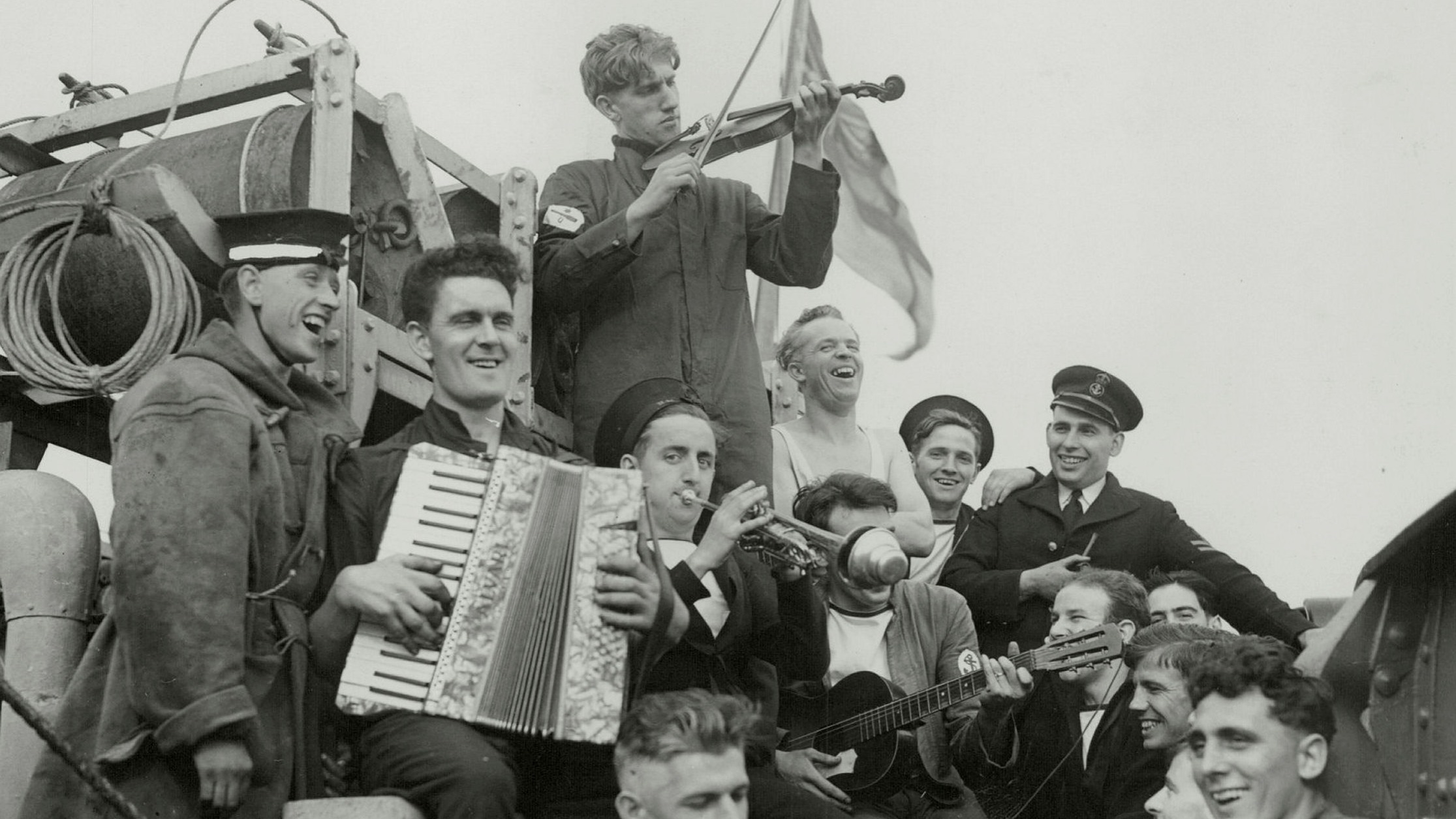
The song they adapted was, of course, the popular sea shanty “What Shall We Do with a Drunken Sailor?”. Inspiring people to pull together for the common good was the purpose of all shanties (from the French “chanter”, to sing). Ships’ crews could roar along in unison as they hoisted sails or weighed anchors, hence: “Wey-hey and up she rises!”
“Drunken Sailor” is one of the oldest known shanties, sharing a melody with the traditional Irish folk song “Óró, sé do bheatha ’bhaile”(“Oh-ro welcome home”). It seems likely the tune was an ancient clan march, which acquired new lyrics during the the third Jacobite rising of 1745-1746 as an 1855 version mentions Séarlas Óg — Irish for “young Charles”, Bonnie Prince Charlie. By the end of the 19th century, it was also popular during Ireland’s “hauling home” ceremonies, during which brides were brought to their husbands’ homes after their weddings. In the 20th century the song became attached to the nationalist cause with new verses by Patrick Pearse, one of the leaders of the 1916 Easter Rising.
In a parallel life, the shanty was being bellowed by seafarers. The first written reference to the chorus appeared in an account of life aboard a whaling ship that set sail from New London, Connecticut, in 1839.
The boozy lyrics date from at least as far back as 1855. Alcohol had long been part of nautical culture as it was easier than water to keep potable for long spells away from land. The shanty offers various methods of dealing with sailors who overdid things. Some of the many options include: “Put him in a longboat till he’s sober”; “Shave his belly with a rusty razor”; “Stick him in a scupper with a hosepipe bottom”; and “Put him in the bed with the captain’s daughter”. The latter line added a salty splash of double entendre to the chorus of “up she rises”. The nastiest suggestion was: “Keelhaul him till he’s sober”. To “keelhaul” meant dragging the victim through the water under a ship’s keel, either across the width or from bow to stern. As the keel of a ship was often encrusted with barnacles, this punishment could leave a man almost flayed or drowned.
The tune was so catchy that “Drunken Sailor” caught on with inland toffs. In the early 1900s it was sung by the boys of Eton College and carrolled by members of London’s Savage Club.
The first of more than 90 recordings of the song (sung by Charles Rosher) was made by composer and folk song enthusiast Percy Grainger in 1906. At this point, the word “early” was pronounced normally. But the folk revival of the 1940s and ’50s saw the introduction of a faux “ye olde” pronunciation: “url-eye”. That’s how cigar-puffing Burl Ives sang it on his popular 1956 version. Pete Seeger added a sprightly banjo in 1961. Also in the 1960s, The Irish Rovers began using the song to close shows, hauling the audience into the call-and-response.
Pere Ubu gave it post-punk rigging in their 1978 song “Caligari’s Mirror”. In 1989 Scottish rockers Goodbye Mr Mackenzie (featuring Garbage’s Shirley Manson on keyboards and backing vocals) upped the tempo with pounding drums. In 1993 The King Singers clipped each consonant with close harmony while in 1994 Terrorvision lashed it with punky squalls of electric guitar. Dame Darcy — the cartoonist famous for making a doll of Kurt Cobain using his hair — is one of the few women to record the song, and spat icy revenge into her 2011 version. Cornish shanty singers The Fisherman’s Friends released their version in 2019 as a film about their story hit the big screen.
The song has appeared in a flotilla of films and TV programmes with a nautical bent, from Pirates of the Caribbean to SpongeBob SquarePants. It pops up in video games such as Assassin’s Creed IV: Black Flag.
During the second wave of the pandemic, sea shanties became an unexpected hit on TikTok when Glasgow postman Nathan Evans began uploading seafaring songs, including “Drunken Sailor”. Other users added harmonies and instruments. On TikTok, videos tagged #seashanty have had 1.5bn views. Evans, who last week released the shanty “Wellerman” as a single, suspects the reason these old songs have bobbed back to the surface of a culture in which quarantine has left us all adrift is that, “Everybody can join in and you don’t necessarily need to be able to sing.”
What are your memories of ‘Drunken Sailor’? Let us know in the comments section below.
‘The Life of a Song Volume 2: The fascinating stories behind 50 more of the world’s best-loved songs’, edited by David Cheal and Jan Dalley, is published by Brewer’s.
Music credits: Sixth Right Records; NFM; Rover Records; Fire Records; EMI UK; Parlophone UK; Dame Darcy; Universal-Island Records Ltd.
Picture credit: Northcliffe Collection/ANL/Shutterstock