
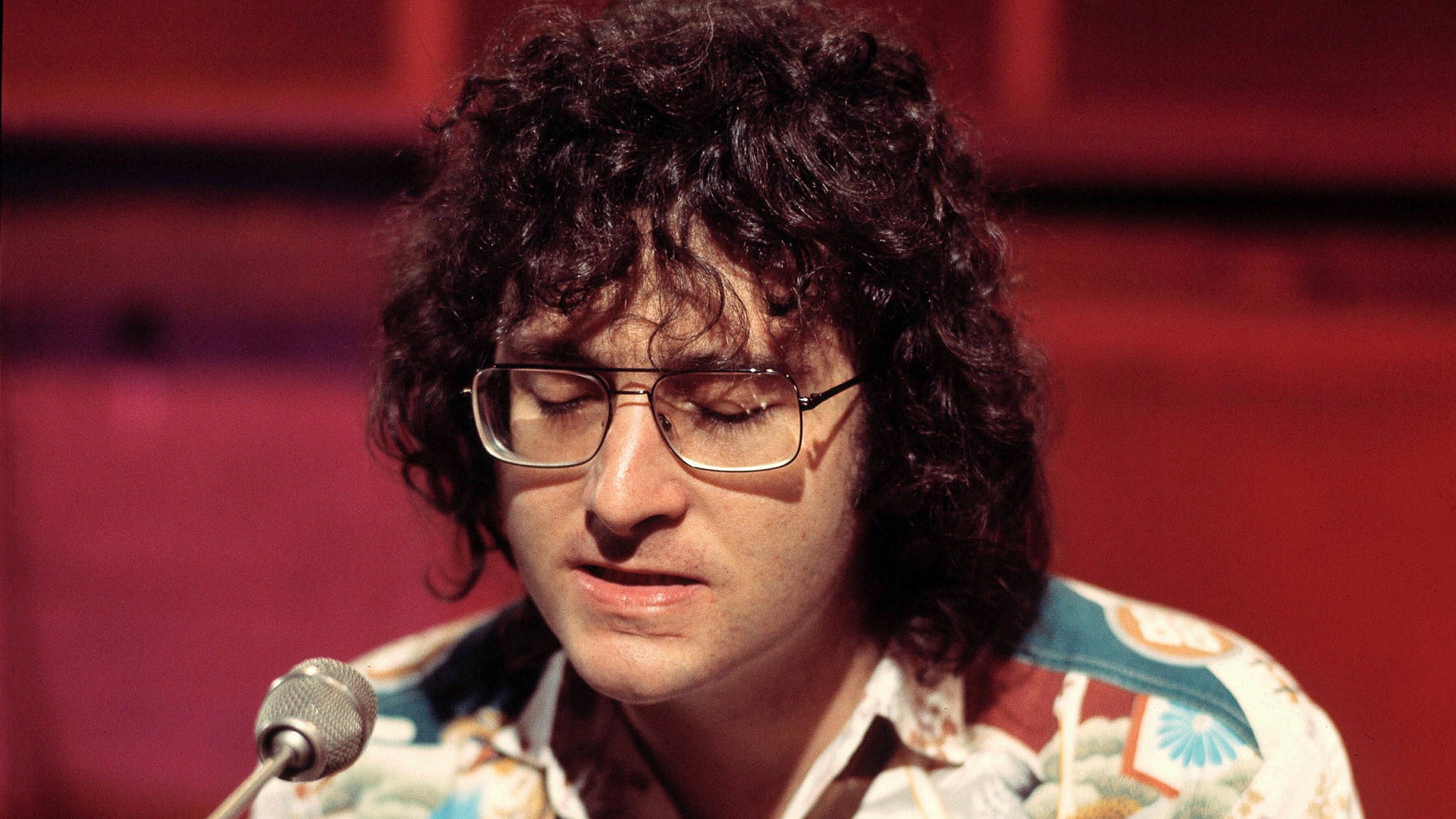
Randy Newman is one of popular song’s most idiosyncratic composers. The American has given the genre’s favourite subject of romance relatively short shrift, his output predominantly favouring humour and satire over passionate profundities.
Newman has also rarely flirted with the racy side of romance — sex. But when he did, he struck gold. “You Can Leave Your Hat On”,which eventually became an international hit for several other artists, is simply about a man asking a woman to undress, slowly, but with the title’s millinery exception.
He wrote the song during his mid-twenties in the late 1960s, at first dismissing it as a joke. By 1972 he had changed his mind and included it on his third album, Sail Away.
The song, as with so many of Newman’s, adopts the persona of a particular character. He told National Public Radio in 2013 that he had not intended to write an overtly sexy song, but rather viewed the character “as a fairly weak fellow”, adding: “To me, I would’ve thought the girl could break him in half.”
Consequently his slightly bluesy recording is low-key, dispassionate and without a hint of trying to raise temperatures. Yet, as with other Newman songs, his view of it was misunderstood. The comic irony of “Short People” and “Rednecks”, for example, bypassed many, resulting in public outrage and broadcasting bans. But misinterpretation worked in his favour for “You Can Leave Your Hat On”.
Others saw it as a highly charged, swaggering expression of sexuality and adapted it accordingly. In 1973 came the sexiest of all versions — performed by a woman. The great blues and soul singer Etta Jamesfunked up the rhythm, a horn section howled and her delivery, complete with squeals and moans, smouldered with rising intensity.
The song’s new course was firmly set. Three Dog Nighttried a similar rendition in 1975 but only sounded sleazy — in sharp contrast to their charming take on Newman’s song of innocence, “Mama Told Me Not to Come”, that had topped the charts five years earlier.
The Jess Roden Bandturned it into a stomping rock track a year later, but another 10 years would pass before one of rock’s great vocalists brought it international fame. Joe Cockerproduced an irresistible version tailor-made for the dance floor, his aching vocal complemented by rampant horns and joyous female backing singers.
Composing film scores and songs has been a prominent feature of Newman’s career — he has been nominated for Academy Awards an astonishing 22 times and won twice, for Monsters, Inc and Toy Story 3. Film also played a significant part in boosting global sales of “You Can Leave Your Hat On”. Cocker’s version was used as the soundtrack for Kim Basinger’s striptease scene in the 1986 blockbuster 9½ Weeks, and 11 years later Tom Jones recorded it for another stripping scene, this time male, in the relatively low-budget British movie, The Full Monty.
“They had Joe Cocker’s version, but the director thought his performance was a bit too serious,” Jones recalled.
He slows the song slightly and plays the ageing roué to perfection, using the full range of his powerhouse baritone to coax and cajole. The film became an international hit, again swelling Newman’s song royalties.
In between these movies, Bill Wymanhad a respectable, funky stab at the song, but his anodyne vocals leave one thinking that former bandmate Mick Jagger would have done a more alluring job.
Numerous recordings have followed into the current century. These include sultry jazz takes by Irish singer Mary Coughlan (using sparse accompaniment of bongos, bass and saxophone) and Dolores Scozzesi(more swing plus terrific trumpet solo), and a rousing live version by British rock band Thunderthat channels Cocker.
Newman told the BBC in 2018 that he wished he had thought of Cocker and Jones’s arrangements, and had a typically droll reply when asked why they were more successful with the song: “Maybe they have sex different than I do!”
What are your memories of ‘You Can Leave Your Hat On’? Let us know in the comments section below.
‘The Life of a Song Volume 2: The fascinating stories behind 50 more of the world’s best-loved songs’, edited by David Cheal and Jan Dalley, is published by Brewer’s.
Music credits: Rhino/Warner Records; Geffen; UMC (Universal Music Catalogue); Parlophone UK; Edsel; Cafe Pacific Records; STC Recordings
Picture credit: Michael Putland/Getty Images