
Last year a doctoral student at Ohio State University discovered that song intros are on average 78 per cent shorter today than they were 30 years ago. In the age of instant streaming, we have become impatient with our music, skipping from one track to the next without stopping to luxuriate in a song. Our demand for immediacy means that producers and labels now require artists to get to the chorus — the song’s real selling point — as quickly as possible.
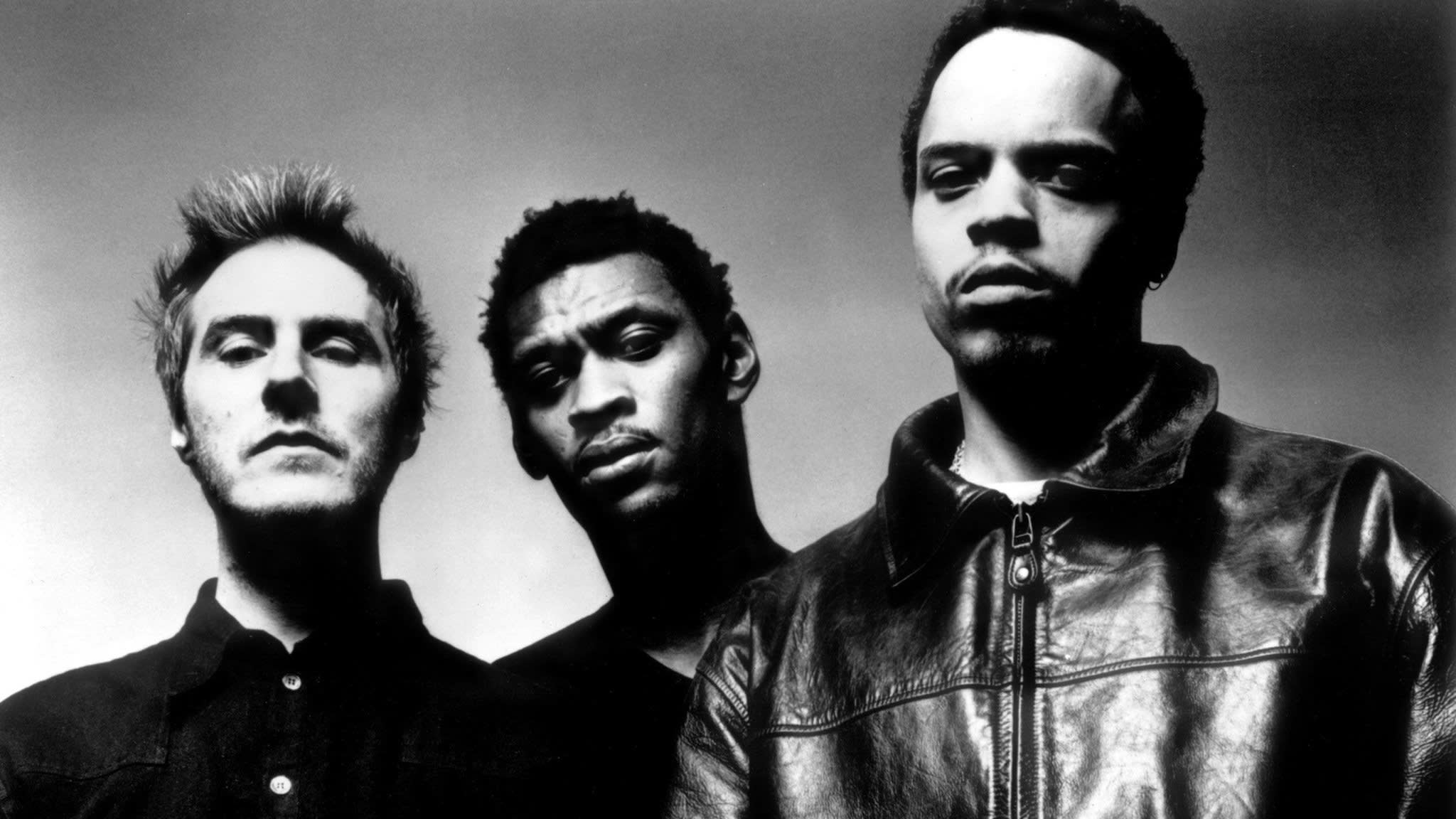
When Massive Attack released “Teardrop”as a single from their 1998 album, Mezzanine, this climate of musical efficiency had not yet taken hold. With an introthat builds for more than a minute, it’s hard to imagine that a song so spare and sombre would be made today.
For 62 seconds before the first word is sung, the pioneers of trip-hop (an emergent genre in the 1990s) add layer upon layer of sound to create a richly textured, immersive track.
The whole song was initially built around the heartbeat-like rhythm of the bass drum — a sample of a little-known jazz piece by Les McCann from 1973 called “Sometimes I Cry”— which lends the track its keen sense of vitality, and the indelible “modern Baroque” harpsichord riff. The group recorded an instrumental demo in April 1997 and set about finding the right singer to suit the ethereal melody.
In the end it came down to a choice between Madonna, and a singer described by some critics as possessing “the voice of God” — Elizabeth Fraser of the Cocteau Twins. Fearing that Madonna would take the song too much into pop territory, band members Robert Del Naja and Grantley Marshall outvoted Andrew Vowles in favour of Fraser’s crystalline vocals.
Fraser was in an appropriately mournful state of mind when she recorded the song. The words, though esoteric almost to the point of incomprehension, are imbued with melancholy, born from Fraser’s own sadness on learning about the death of her friend Jeff Buckley, who drowned in May 1997. “[‘Teardrop’ is] kind of about him — that’s how it feels to me anyway,” she told the Guardian in 2009. The song seems a fitting tribute to Buckley, whose own music can similarly be defined in terms of its sorrowful and otherworldly qualities. “Teardrop” went on to reach the dizzy heights of the UK top 10 in 1998.
In the two decades since “Teardrop” was first released, there have been more than 20 cover versions. In the mid-2000s, the medical drama House adopted the track as its title credits theme, giving the song a new lease of life.
Two of the best covers, both by superbly dexterous guitarists, Newton Faulkner and José González, came out in 2007. Faulknerdoes away with the lengthy introduction, but recreates the heartbeat rhythm through the idiosyncratic way he plays his guitar percussively in between notes. González’sversion is more stripped back, taking on the original’s complex layering with a single guitar. The famously reticent Swedish-Argentine songwriter’s singing brings a vulnerability to the song; his accented voice means that we focus less on trying to decode the lyrics and more on the emotions elicited.
A cover by English soft-rockers Elbow was included as part of their B-Sides and Remixes album from 2006. Theirs is a largely faithful rendition in terms of tone and pacing, but the avuncular gruffness of Guy Garvey’s voice reinvents the song as a warm, homey tune, pleasant to listen to, but bereft of the eerie beauty evoked by Fraser.
Conversely, Scottish rock band Simple Minds amplify the song’s uncanniness. Jim Kerr’s vocal performance verges on the sinister, while a combination of throbbing electronica and a series of atonal sound effects creates an intriguingly spooky composition.
In 2011, Gary Barlow amassed a group of young British musicians including Ed Sheeran and rapper Tinchy Stryder to record a charity single for the Children in Need charity appeal. Though titled “Teardrop”, the song only samples the Massive Attack original, instead featuring new lyrics relevant to the cause. Although no one can fault the collective’s intentions, the cover is marred by overdone production and po-faced performances.
In truth, no recording has recreated the haunting atmosphere of Massive Attack’s 1998 classic. And few mainstream musicians today would be afforded the freedom to release such a slow-burning track.
Do you agree that the original version of “Teardrop” is the best? Let us know in the comments below.
‘The Life of a Song: The fascinating stories behind 50 of the world’s best-loved songs’, edited by David Cheal and Jan Dalley, is published by Brewer’s.
Music credits: Virgin UK, Rhino Atlantic, Ugly Truth, Peacefrog Records, Universal-Island Records Ltd.
Picture credit: Donald Christie