
Lions sleep in the daytime. And they don’t do it in the jungle, however mighty — they live on the savannahs.
The words of “The Lion Sleeps Tonight”are not the finest work of lyricist George Weiss. In 1961, he was tasked with writing English lyrics for an African song, a lullaby dreamt up by some nameless hunter and passed down through generations from father to son. Or so it was assumed.
In fact, by the time it reached Weiss, the song was 22 years old. Its creator was a tall young Zulu migrant worker with two remarkable talents: a euphoric falsetto and a knack for eternal melodies.
Solomon Linda recorded the spine-chilling isiZulu-language “Mbube”in Johannesburg in 1939. Parts of it he improvised as the tapes rolled. And for those moments during and immediately after the recording, the song belonged to Linda. Then he was bought out for 10 shillings by Eric Gallo, the Italian wide boy who owned the studio, and who now owned “Mbube”. But even when it became a local hit, Linda could have had no idea what he’d sold so cheaply.
The song made a bit of money when Gallo speculatively sent a bundle of 78s to Decca Records in the US. They were thrown in a dumpster, but one was rescued and found its way to stalwart folkie Pete Seeger. His 1952 version, The Weavers’ “Wimoweh”, featured Count Basie-style honking horns and made the top 10 — but Seeger was named and shamed as a communist and his career crashed, taking “Wimoweh” with it. In the meantime, Gallo had proved himself to be less of a business whizz than he liked to think: when he OK’d The Weavers’ recording, he retained the rights only in some African territories.
The next time the song appeared, it was bigger. A bunch of Brooklyn doo-whoppers called The Tokens heard a live Weavers recording and decided to give it a go. Their producers decided it needed English lyrics, which is where George Weiss came in. They also presumed that the process would be the same as when Weiss adapted an 18th-century French air into Elvis’s “Can’t Help Falling In Love”. In other words, they thought that as the arrangers of a public-domain song, they were now its owners.
The publishers of The Weavers’ “Wimoweh” were quick to disabuse them of this, and a deal was hastily struck as The Tokens’version climbed the charts. The pie was cut into many slices, but everyone was happy: it was a big pie.
On the single, the little bracketed list of the songwriters’ names grew, but it did not include Linda, who had signed his rights away. The Tokens found themselves with a worldwide smash — including in South Africa — at the exact moment that Linda’s daughters were watching their father die of kidney failure. In effect, the song really had been written by a nameless African.
And then it became a standard. Miriam Makebaperformed it at John F Kennedy’s 1962 birthday. British versions included Karl Denver’s(with bagpipe-guitars) and Tight Fit’sdaffy number one. It even hit the movies, when Ladysmith Black Mambazo’s “Mbube”was used in the Eddie Murphy comedy Coming to America.
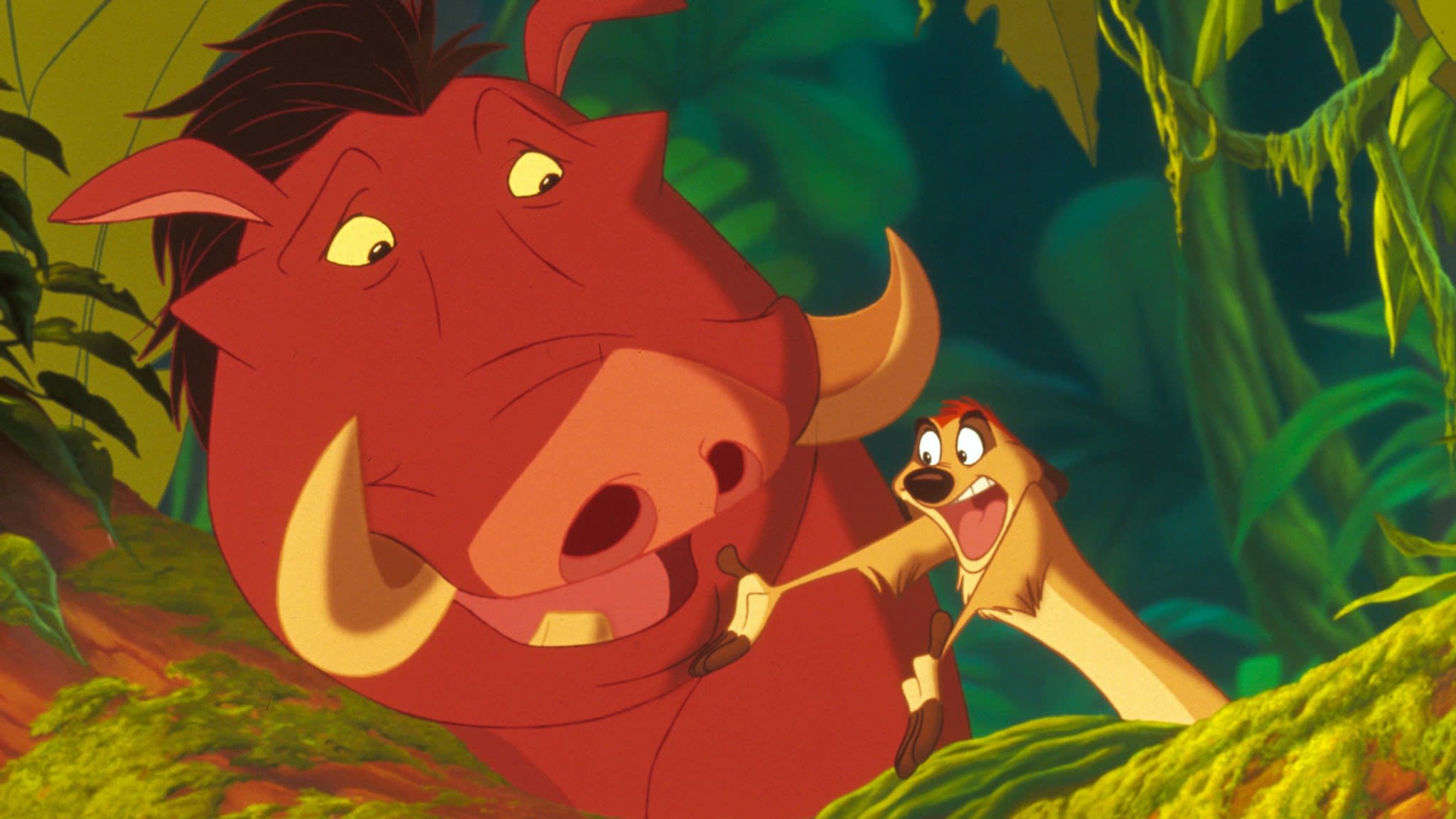
It was a Disney film, though, that changed everything. After it was hummed by a meerkat and a warthog in The Lion King, the value of the “The Lion Sleeps Tonight” went through the roof. As an estimate, $16m in royalties is probably on the low side.
As The Lion King spawned sequels, soundtrack CDs and live shows, a white South African journalist called Rian Malan wrote a quietly furious essay for Rolling Stone magazine about the song — and about Linda’s cash-strapped daughters.
That article spawned a documentary, A Lion’s Trail, and Disney realised it had been loaned a problematic copyright. When your brand is family values, you don’t want a real-life family telling the world you’re making a fortune out of their father’s work while they are living hand-to-mouth.
Lawyers got involved. We don’t know who’d have won, because Disney made a settlement in 2006. Nor do we know the terms, but we do know it involved back and future payments and that it was life-changing for the family. Sixty-seven years after Linda composed his masterpiece, his name was attached to it and it seemed good things do happen, sometimes and eventually.
We’re keen to hear from our readers. Which version of “The Lion Sleeps Tonight” is your favourite? Let us know in the comments below.
Music credits: The restoration project, Acetate, Master Classics Records, Musicbank Limited, Sony Music Entertainment, Gallo Record Company