


Introduction
For two months in the spring of 2022, Mariupol was the scene of fierce fighting between Russia’s invading army and Ukraine.

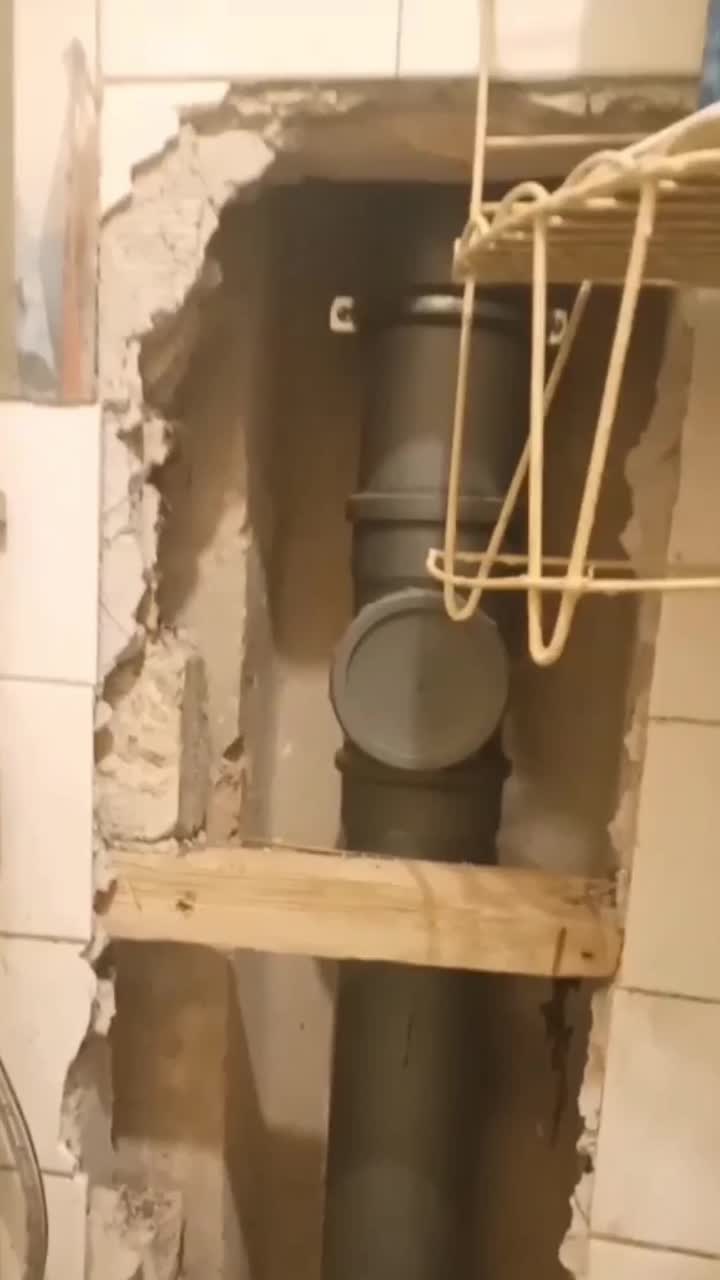
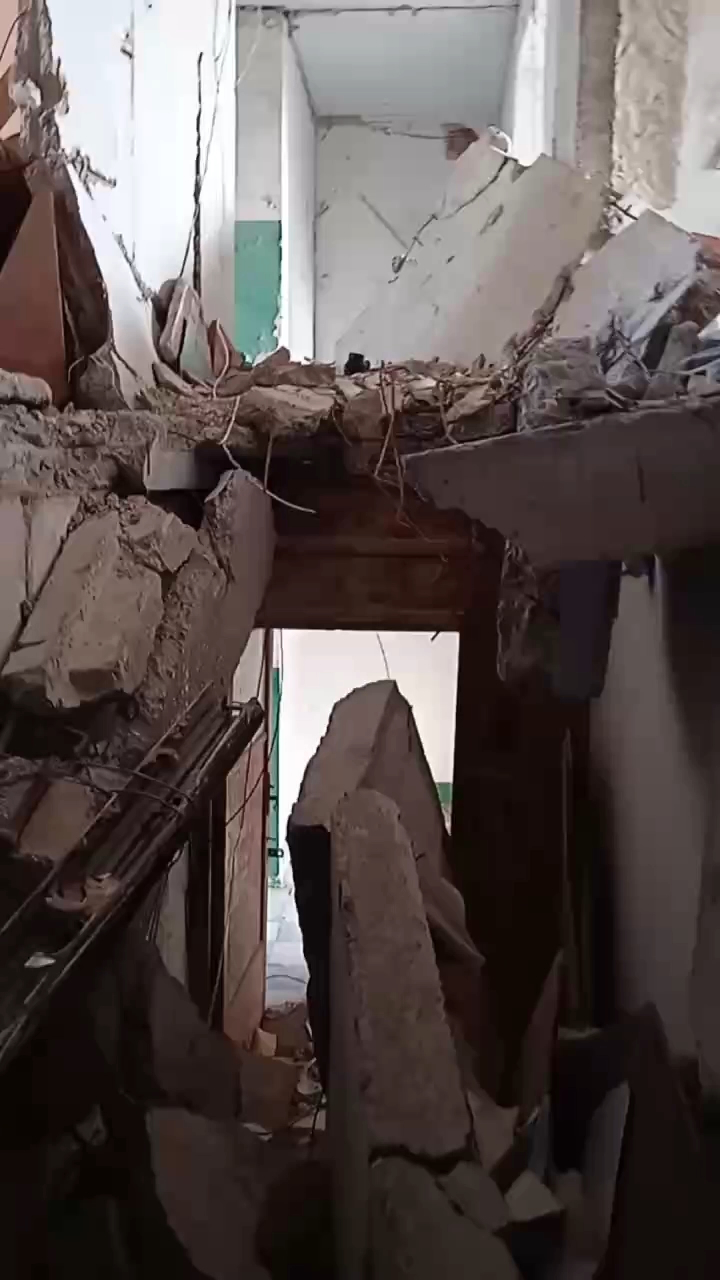
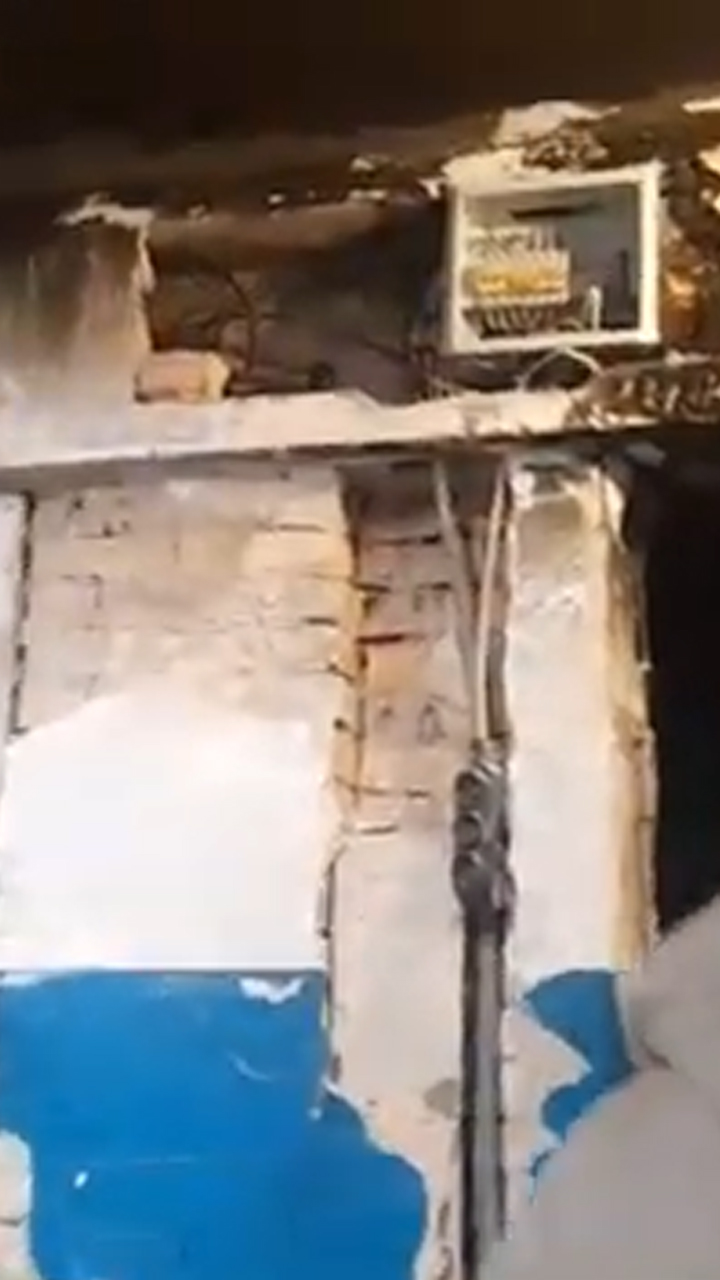
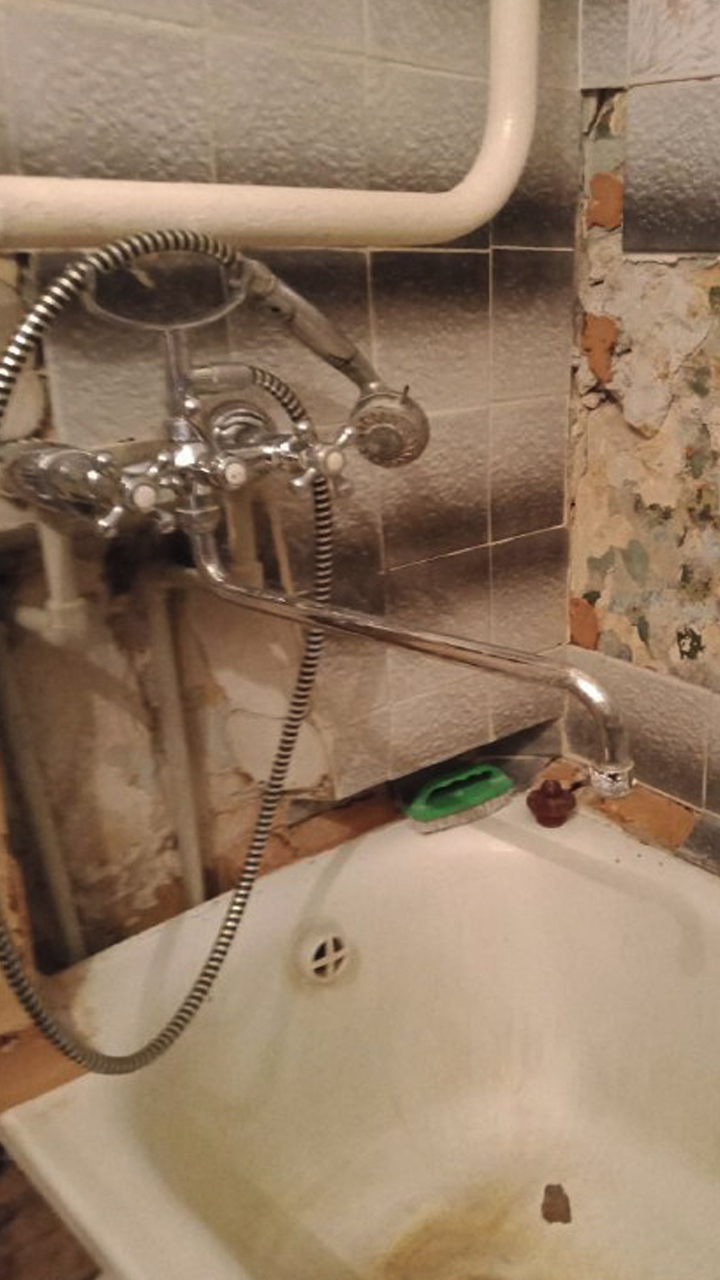
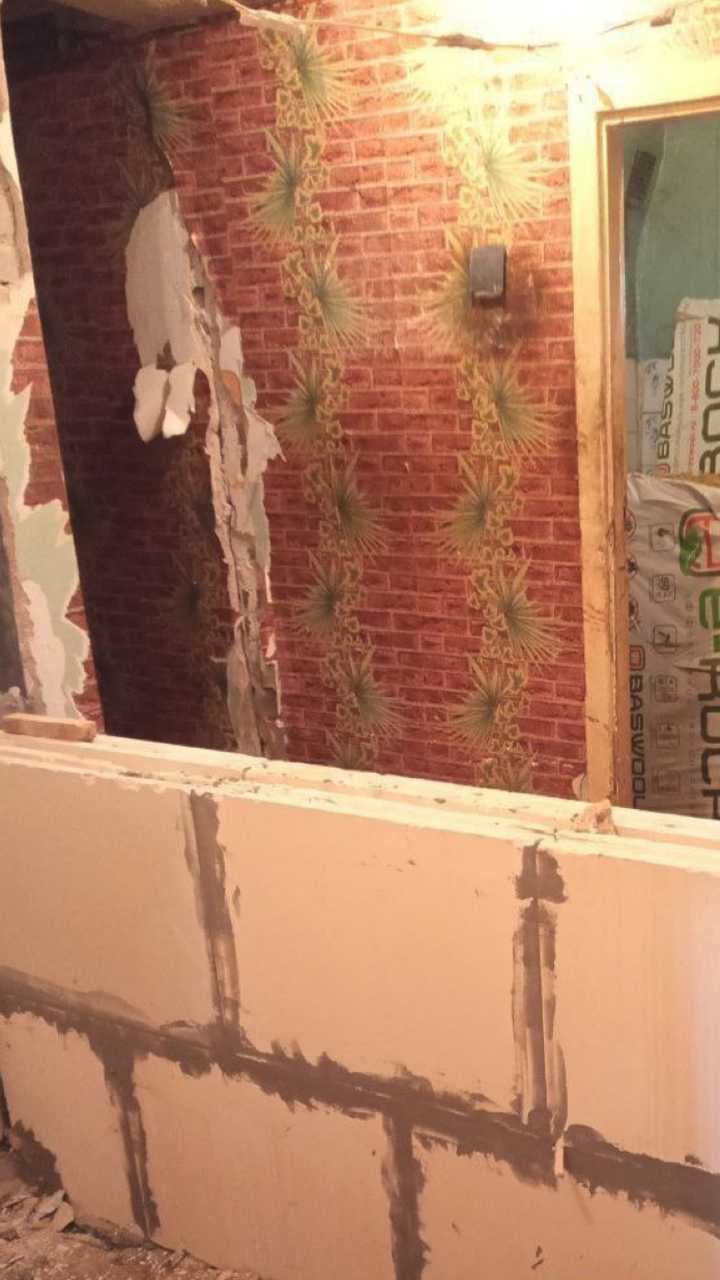
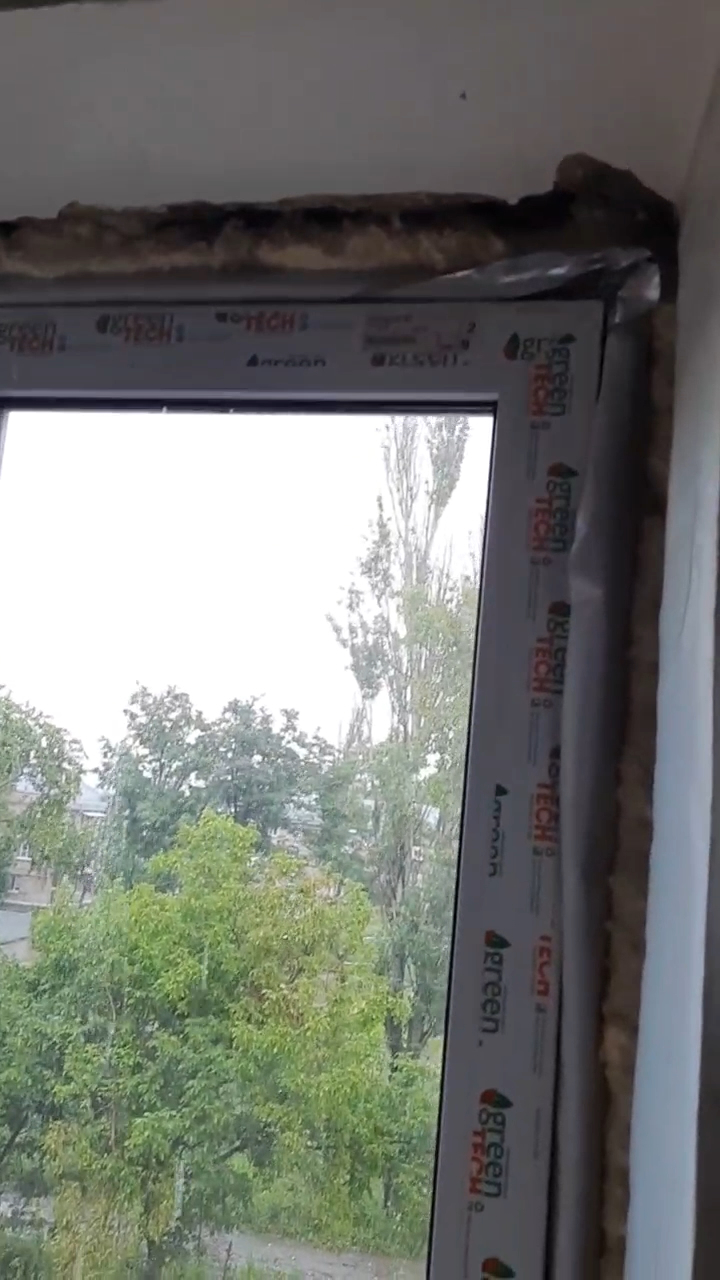
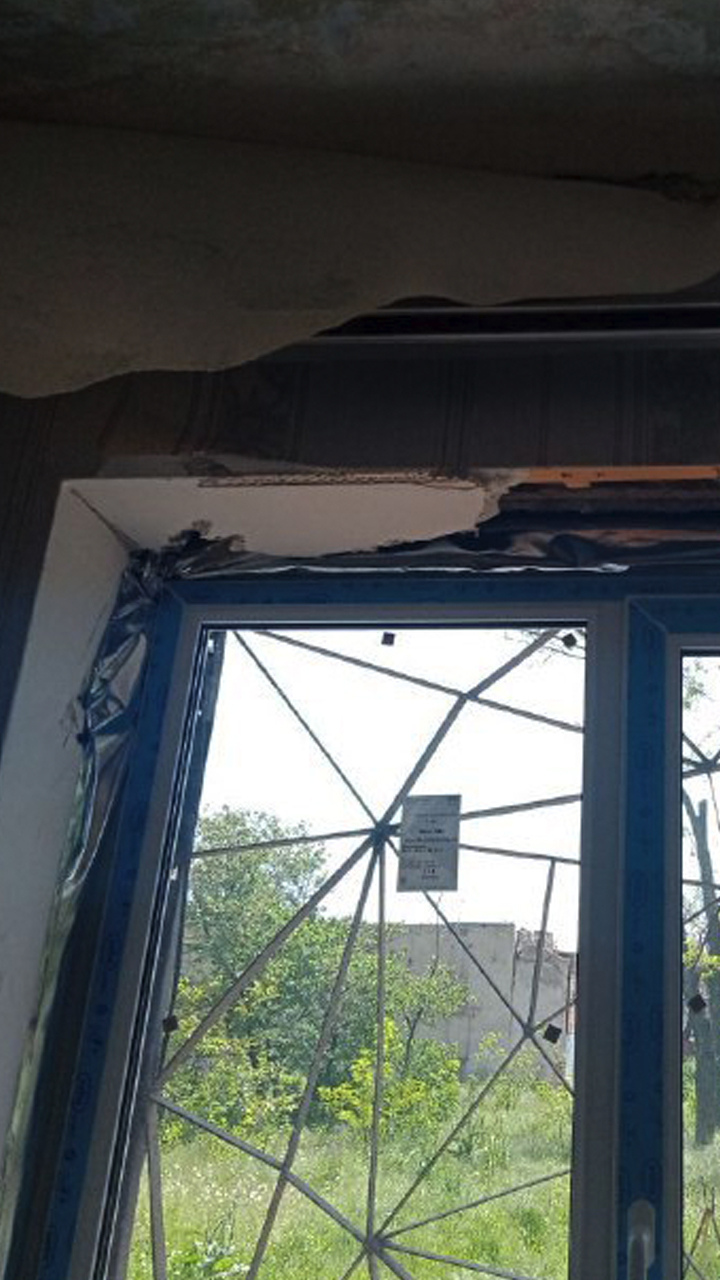
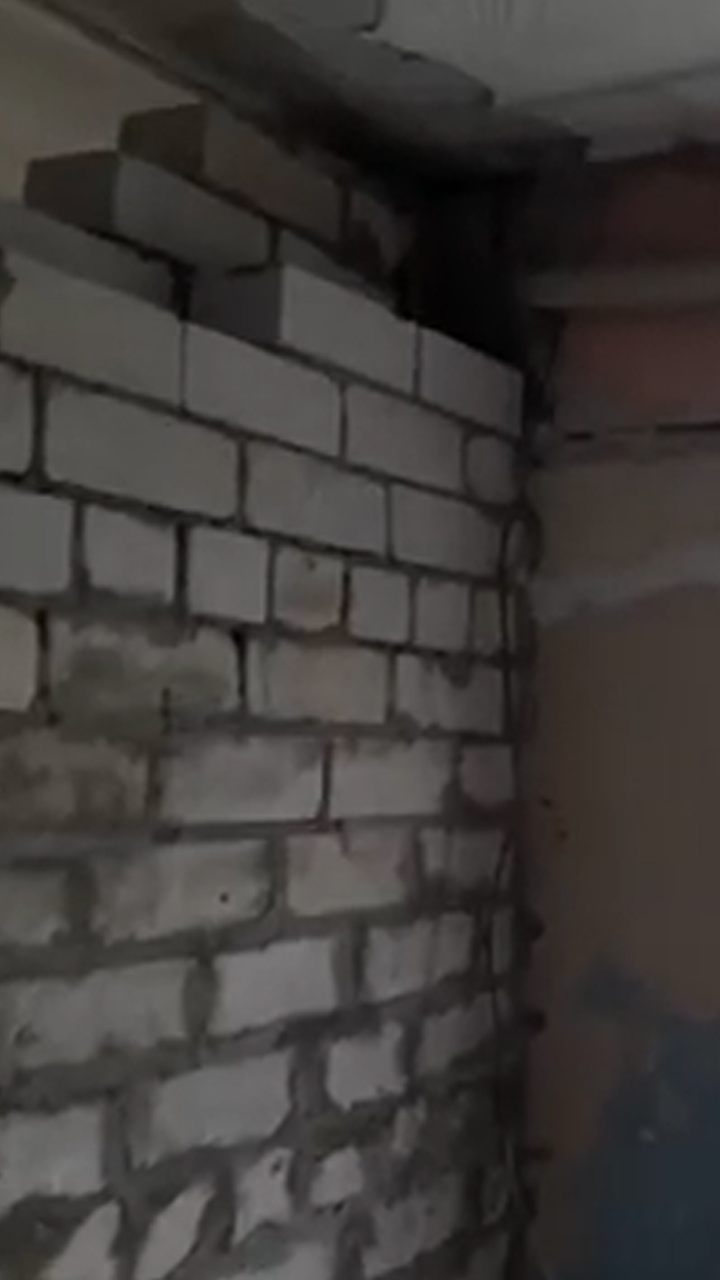
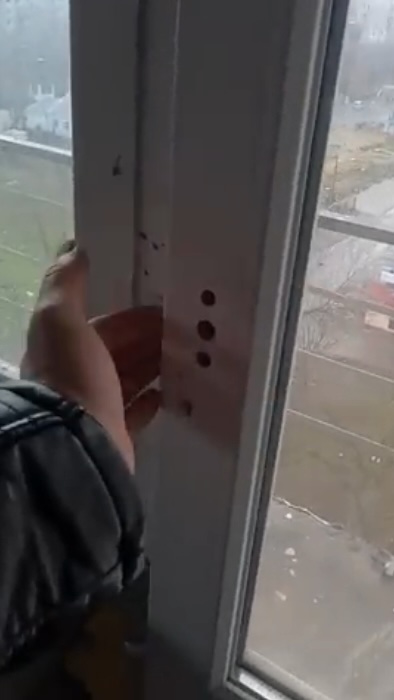
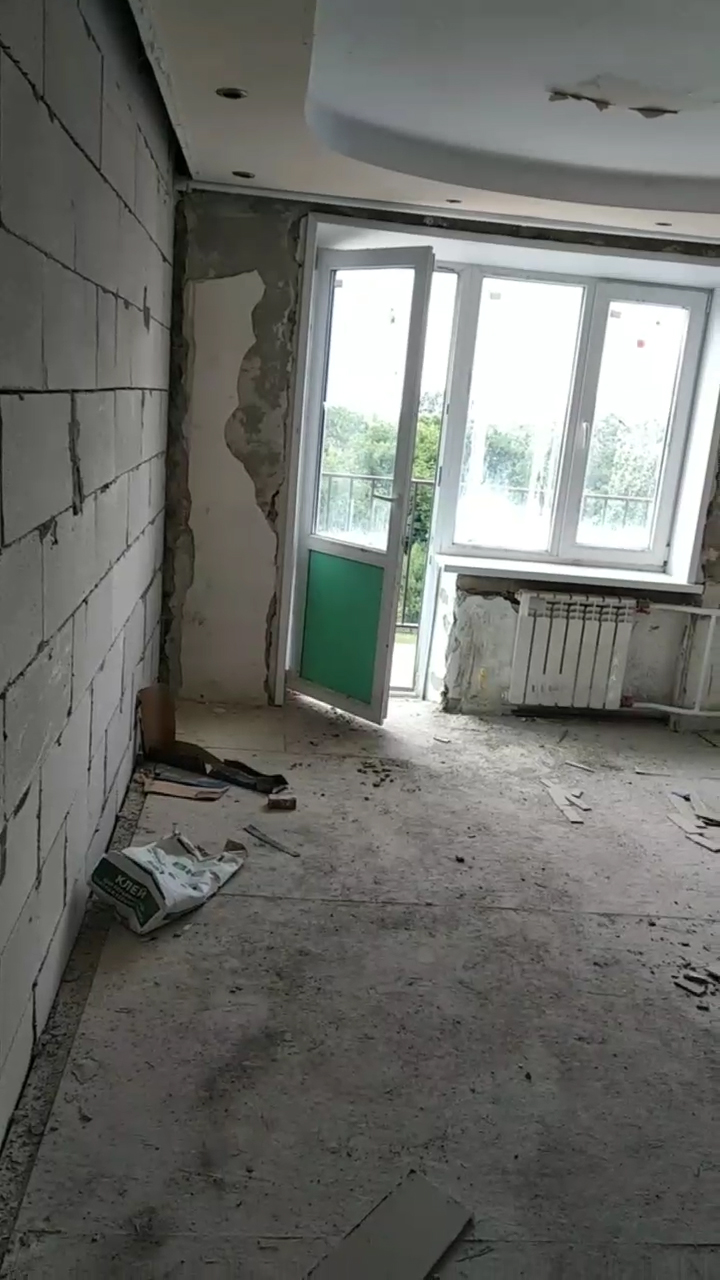
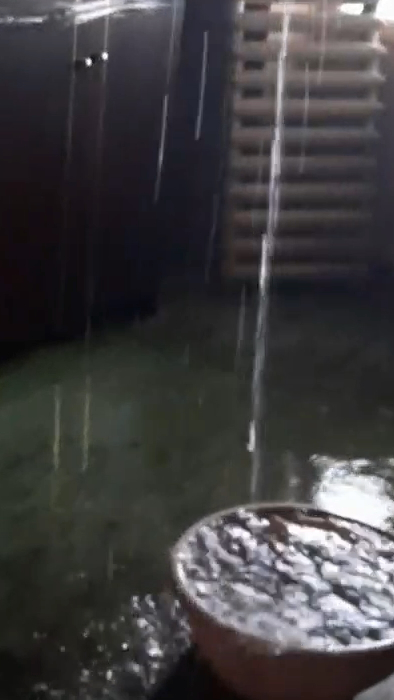
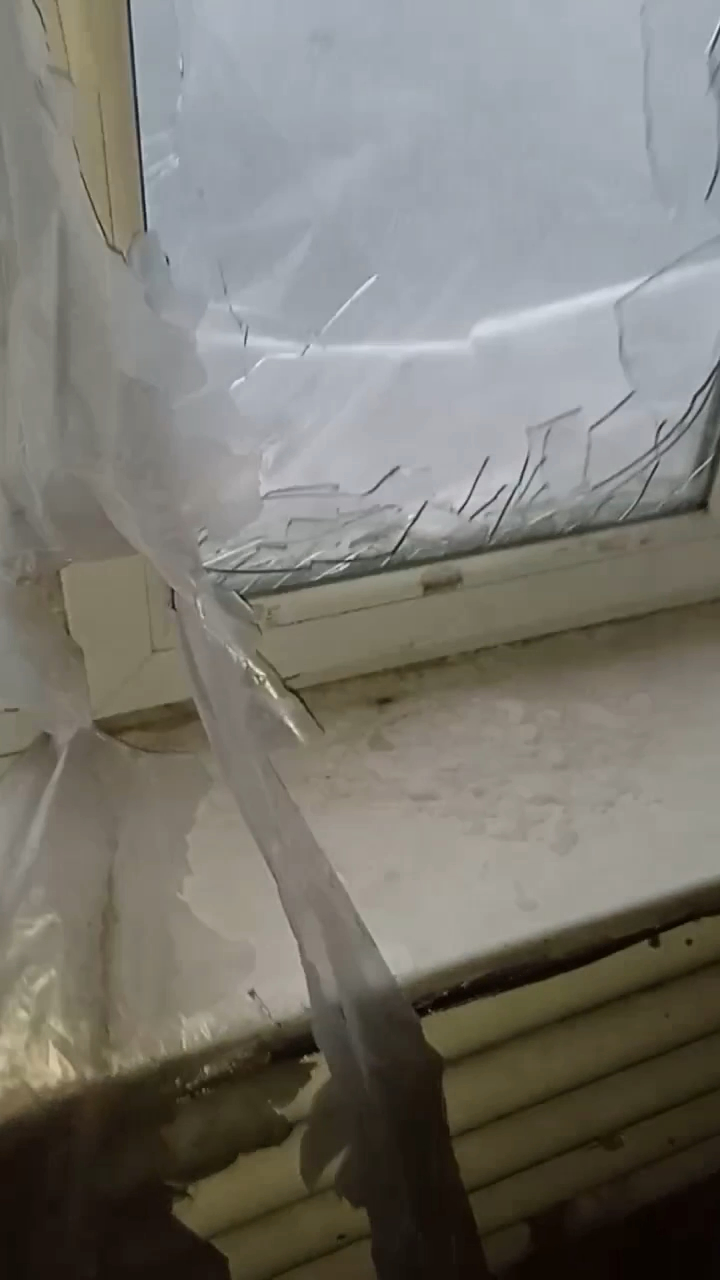
When Vladimir Putin’s forces finally captured the city in May, almost half of it had been destroyed.
Moscow wants to show it is rebuilding and Russifying the city. But an FT visual investigation shows the reality is very different from the propaganda.
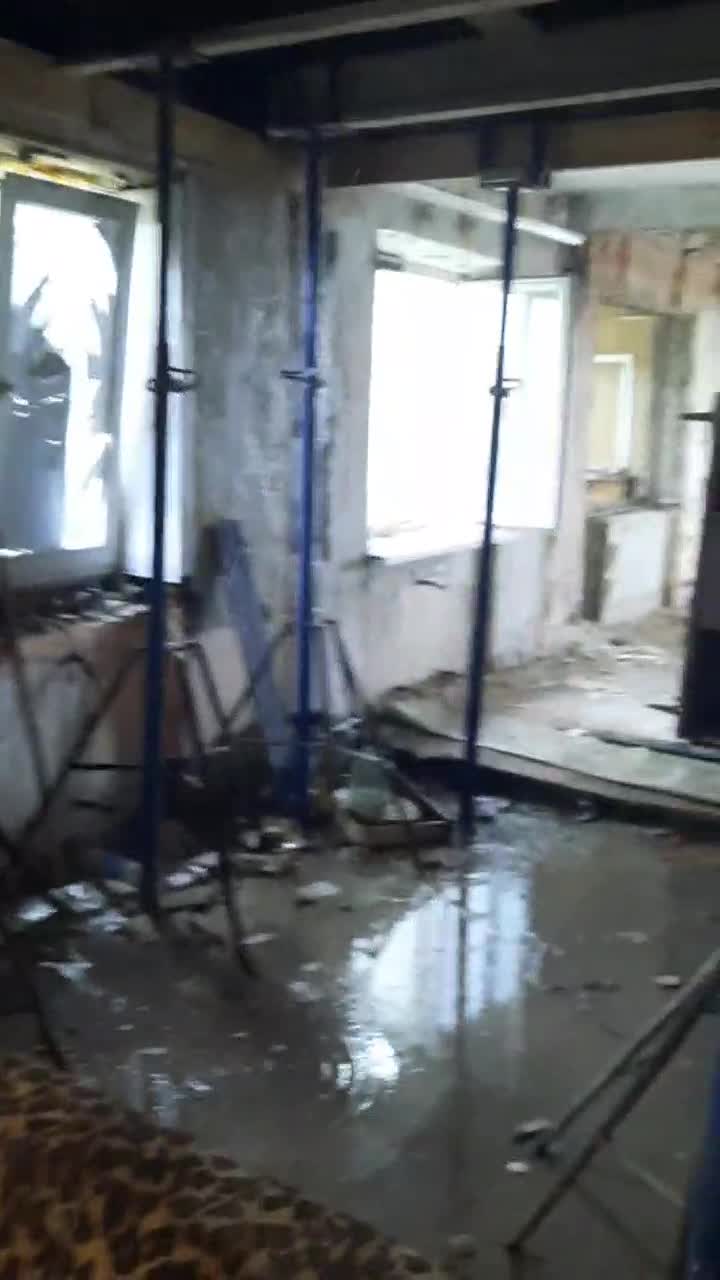
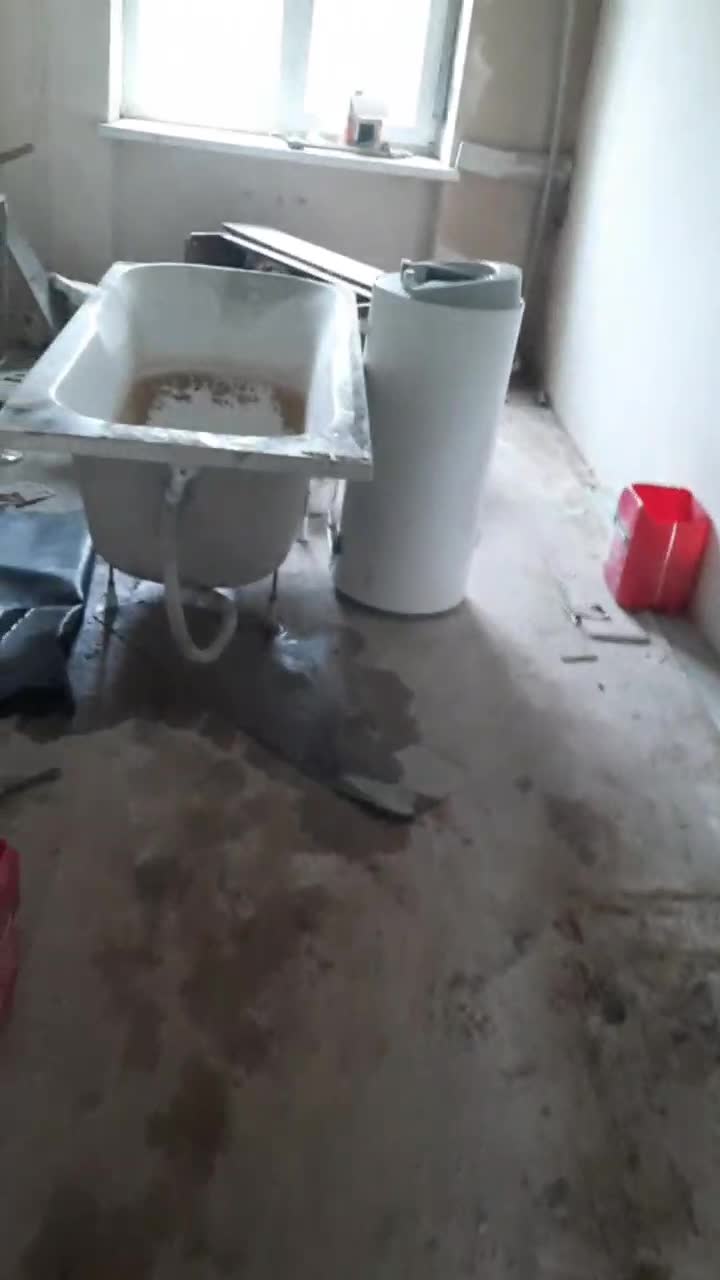
While Russian businessmen profit from lucrative contracts, locals live in half-built homes. Many have been left with dangerous, leaky apartments . . .
. . . shoddy renovation work . . .
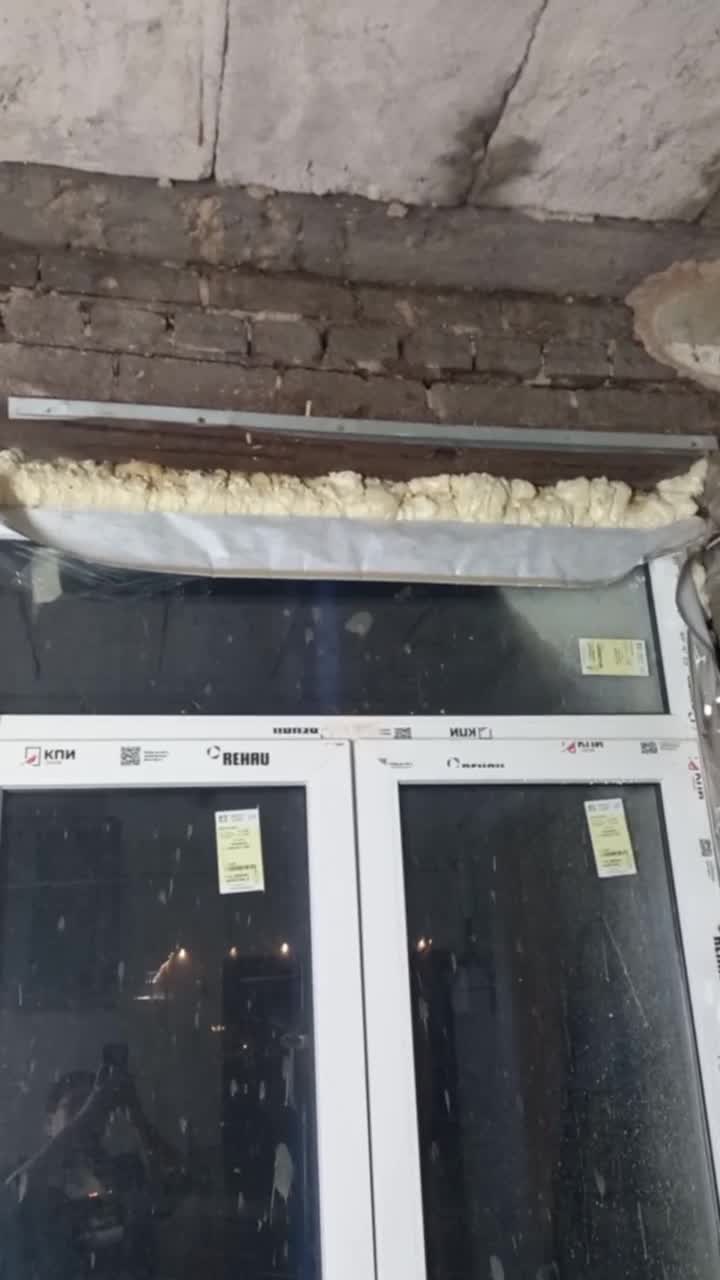
. . . poorly-fitted windows and doors . . .
. . . and exposed pipes and wiring.
The problems plague dozens of apartment blocks across the city.
Inside Mariupol: Russia’s new Potemkin village
Locals live in perilous conditions while Russian companies profit from contracts worth millions
As a construction worker, Maksim knows what good repair work looks like. Standing in his apartment in a flood of human faeces, he knew this wasn’t it.
R-Stroy, the company contracted to work on Maksim’s damaged building, started in October 2022. The weather was bad in the Ukrainian city of Mariupol that autumn, with wind and heavy rain. One chilly day, a team of R-Stroy labourers arrived and removed two thirds of the apartment blocks’ windows, leaving residents exposed to the elements.
When the new windows finally arrived in November, they were the wrong size. The builders installed them upside down, or protruding from walls. Front doors were removed. Water leaked in and froze. There was no heating until late February. “Most of the furniture people had was ruined, the floors all swelled and buckled,” says Maksim.
R-Stroy had only been founded a few months before. It is run by two former state gas contractors, the director of a hospital construction company and a former regional official.
Almost a year after the work began, with Maksim’s block regularly flooding when it rained, residents were still fighting to get R-Stroy to fix their building — and the further damage that its workers caused.

When Russian forces took control of Mariupol in May 2022, the UN estimated that 90 per cent of the residential buildings had been damaged or destroyed.
About 100,000 of the 430,000 people who lived in the city before the war remained. Ukrainian officials say 25,000 died during the two-month siege, although some estimates suggest the figure could be three times higher. Hundreds of thousands fled to Russia, to other parts of Ukraine, or into Europe.
The Russian government falsely claims the destruction of Mariupol was the work of “Ukrainian Nazis”. But human rights groups have documented Russia’s war crimes. The bombing of a theatre, a key shelter, killed hundreds. A strike on a maternity ward left pregnant women in the rubble. With investigators unable to access the city, and with Moscow racing to plaster over the horrors of the war, it’s feared more Russian atrocities may remain undiscovered. “Russia is trying to destroy all evidence of its war crimes,” says Dmytro Lubinets, Ukrainian Parliament Commissioner for Human Rights.

Taking the city was key to Russia’s military strategy. Mariupol sits along the land bridge that connects Russia to Russian-occupied Crimea. A major industrial hub and the main port city on the Sea of Azov, its loss was a blow to Ukraine’s economy. For Putin, Mariupol has symbolic significance. Russia’s president sees this stretch of coast as historically Russian land, captured from the Ottoman Empire in the 18th century. He calls it Novorossiya (New Russia).
Soon after fighting began in March 2022, the city’s Left Bank district, east of the Kalmius river, became the front line. Residents unable to flee were trapped in their homes.
Russian tanks roamed the streets, firing at apartment blocks. Locals posted photos online of their buildings in flames or the aftermath of rocket attacks. Residents were forced to melt snow for water or brave artillery fire to go out looking for food. The bodies of their neighbours lined the streets.
On Victory Avenue, the Left Bank’s main street, the buildings were heavily damaged by fighting.
Some had partially collapsed, others had large holes blown in their facades by shelling. Roofs were missing, windows smashed and scorch marks from fires stained the brickwork. There was no water, heating or electricity. Humanitarian groups warned of the serious risks to public health caused by the destruction of the city’s many industrial buildings, including the Azovstal plant, where it was feared damage to the waste pond could contaminate soil and water.
Many of those who remained once the fighting subsided were elderly, some with younger family members staying to take care of them. Some believed Moscow’s promises; others were reluctant to leave, fearing they would lose their homes and with it their only wealth.
By the summer of 2022, the residents of Mariupol were adjusting to life under Russian occupation and attempting to rebuild their lives. Nearly two years later, many are still waiting.
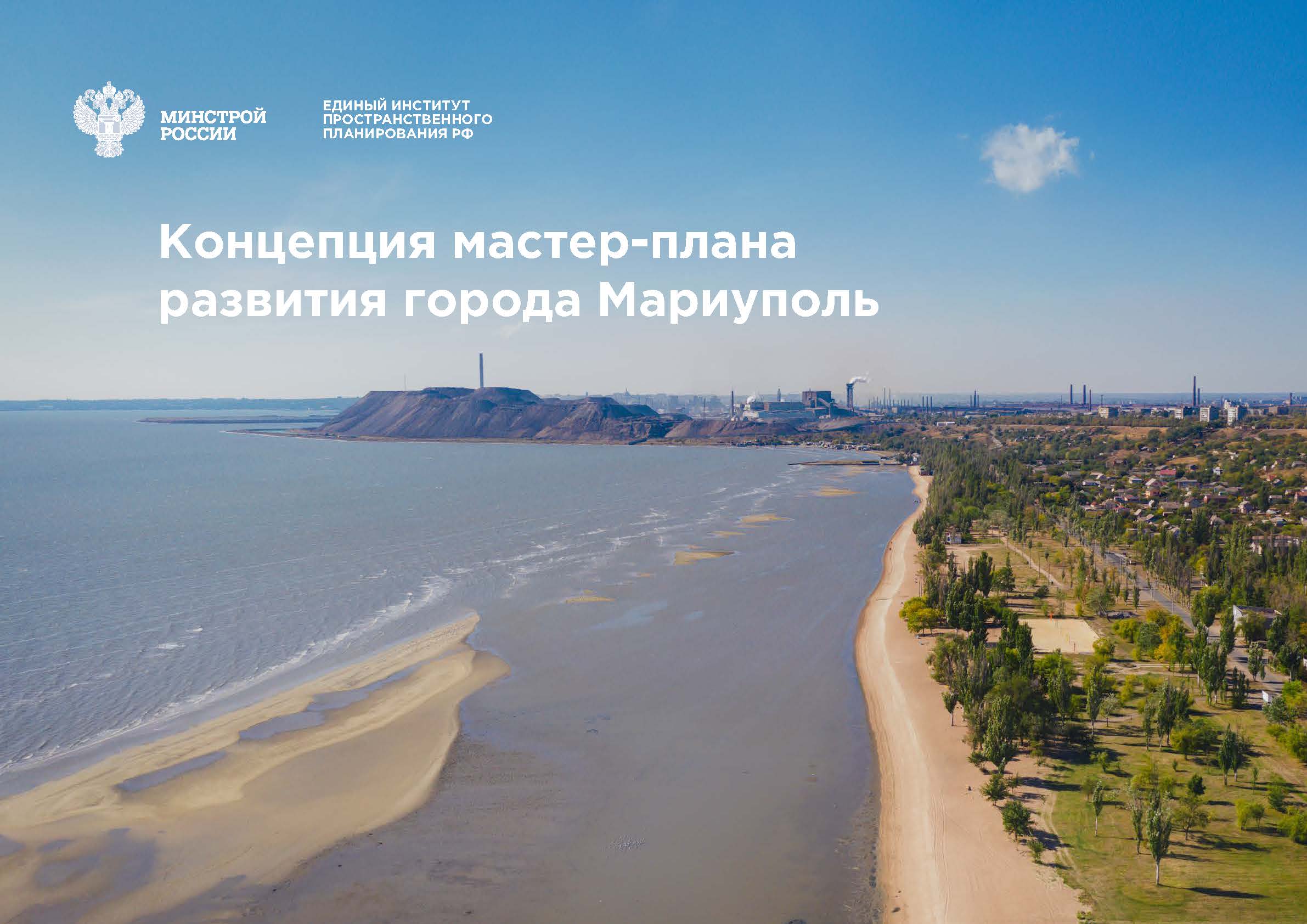
Two weeks before the last Ukrainian fighters had surrendered, Russia announced a master plan for the city, produced by the Russian Ministry of Construction and the Moscow-based Unified Research and Design Institute.
The document was a sham.
The Russian model was based on outdated Ukrainian plans produced prior to 2016 and taking into account none of the changes that had taken place since.
In the years leading up to the war, the city had streamlined bureaucracy, invested in services and infrastructure and created new public spaces. Though there was much left to do, Mariupol had become significantly more modern — and European. Vadym Boychenko, the Ukrainian mayor of Mariupol who is now in exile says: “The Russians are dragging us back to Soviet times.”
The reconstruction work was loudly celebrated in Russian state media and by Russian YouTubers. They spoke proudly of a restored tram system and a fleet of new buses that had arrived from St Petersburg. Soon, swiftly-built apartment complexes were being shown off to the public.
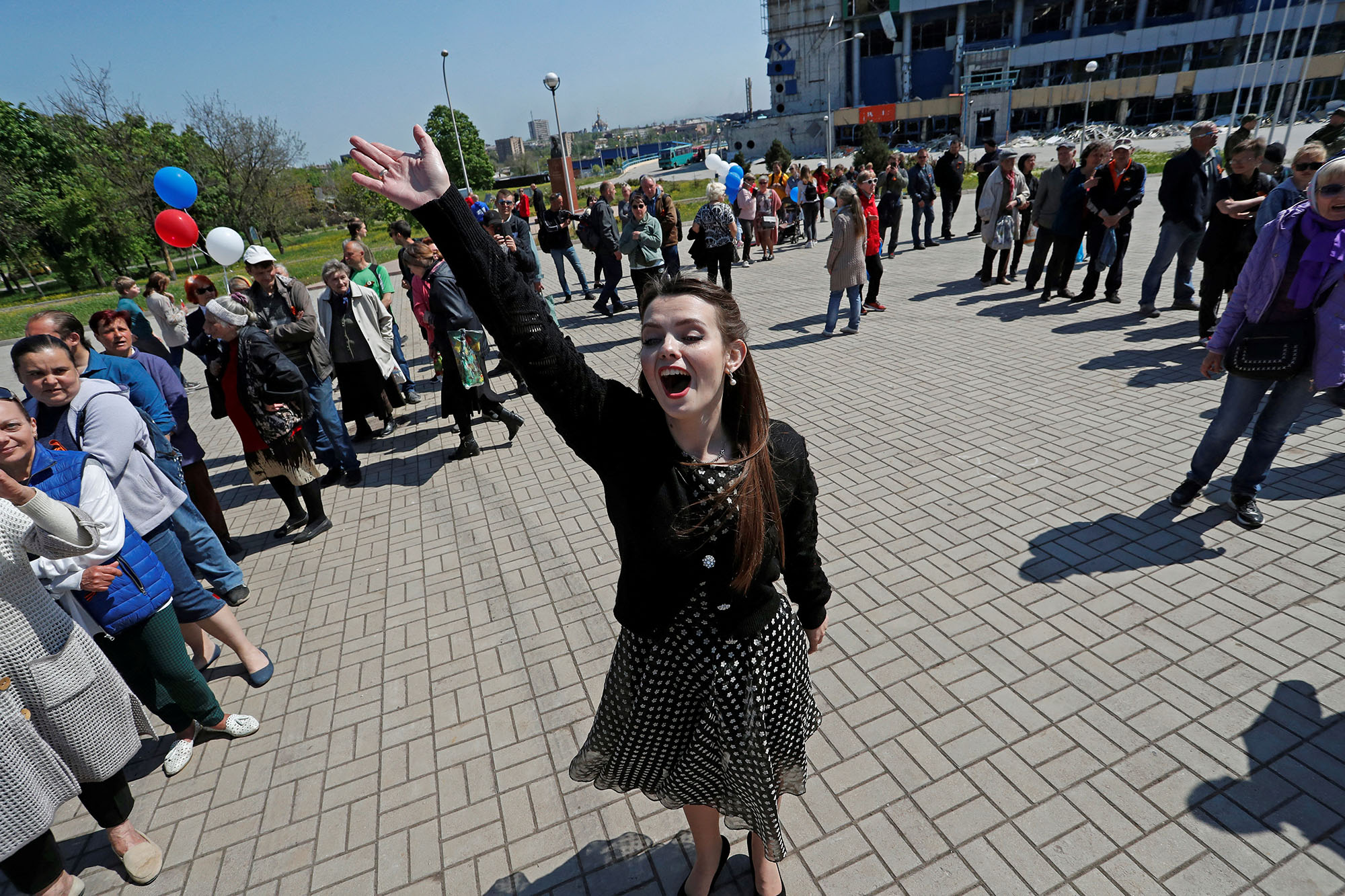
Oleg Morgun, head of the Russian administration in Mariupol, posted photos on Telegram of himself inspecting buildings or discussing the gritting of roads. His posts portrayed life returning to normal, with Russian companies sponsoring trips to the zoo for local children and Russian Victory Day celebrations.
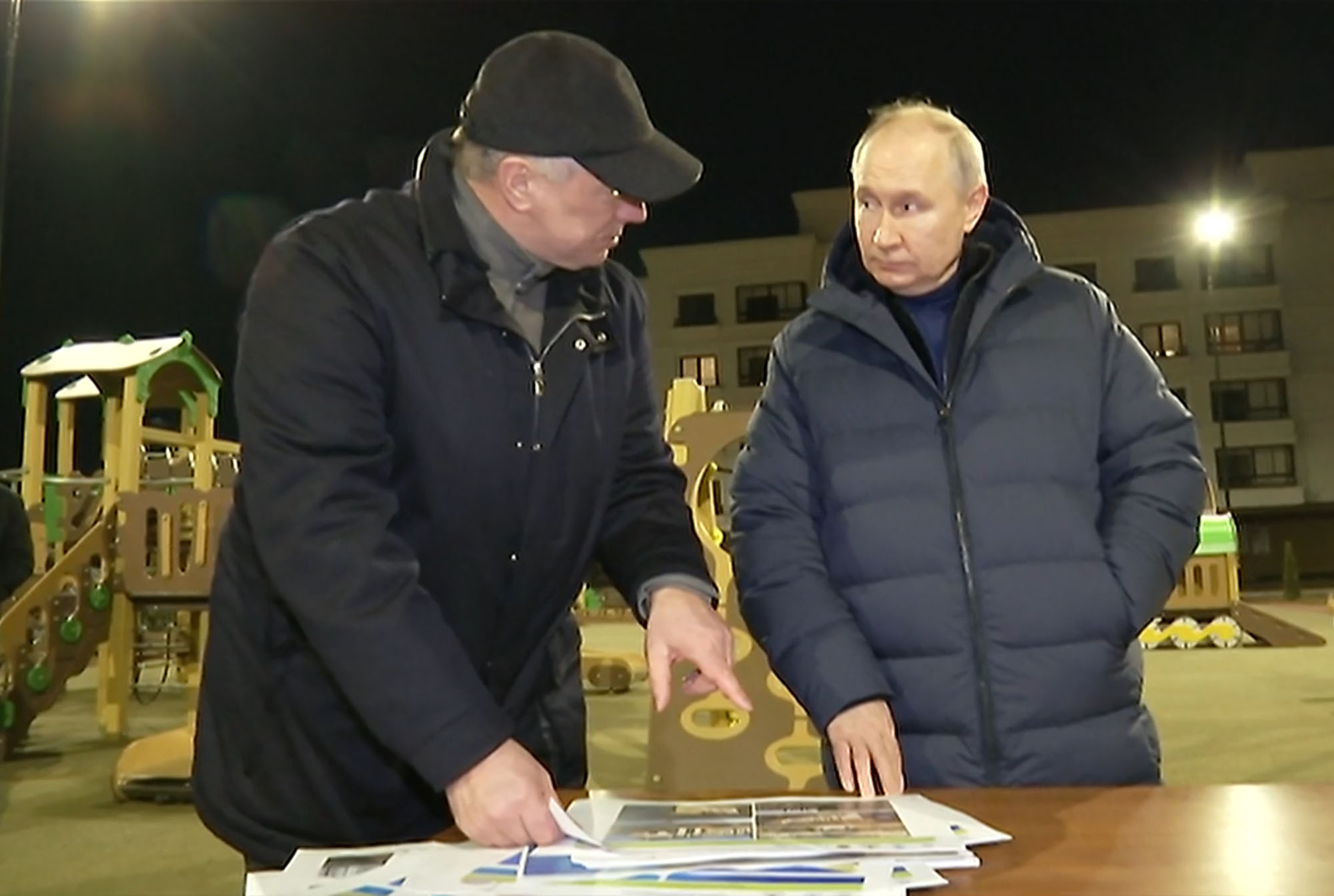
In March 2023, Putin visited Mariupol. Widely reported in Russian and western media, the trip attempted to normalise Russian control of the region. He toured rebuilt sites, as well as the newly constructed Nevsky neighbourhood on the city’s western edge. A video published by the Kremlin showed Russia’s president meeting happy residents.
In the background, a woman can be heard shouting: “It’s not real! It’s all for show!” The shouting was quickly edited out.
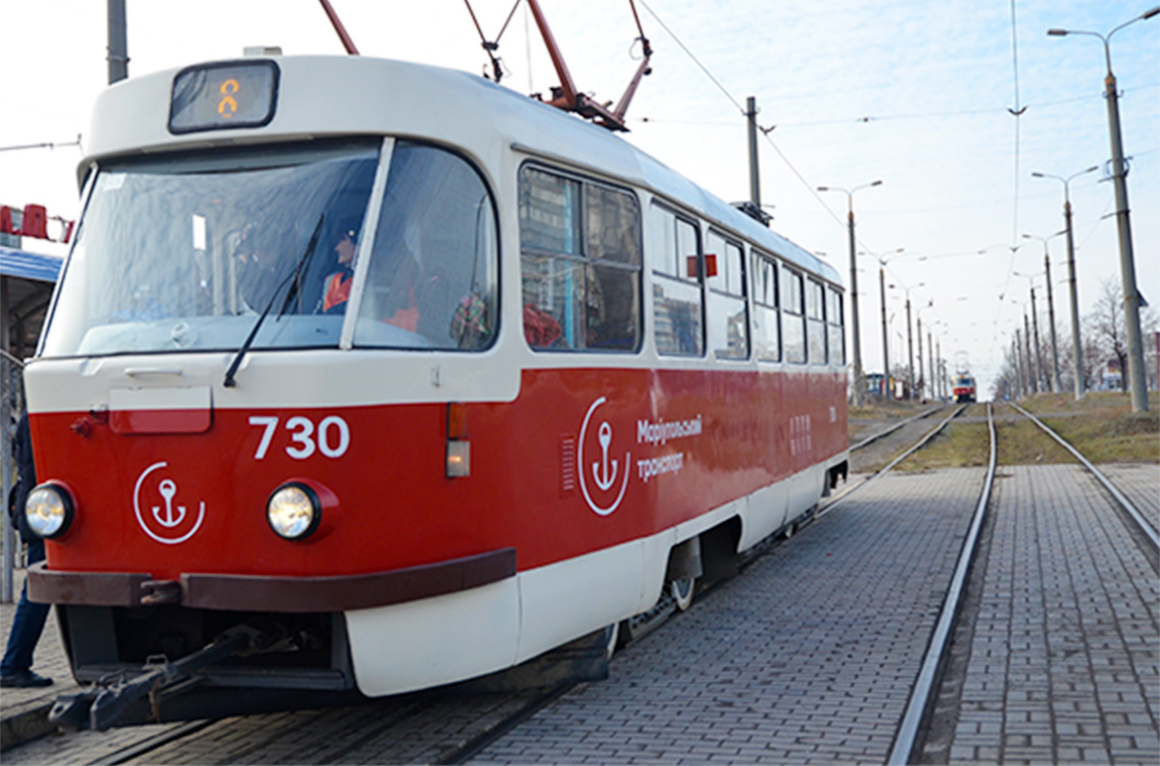
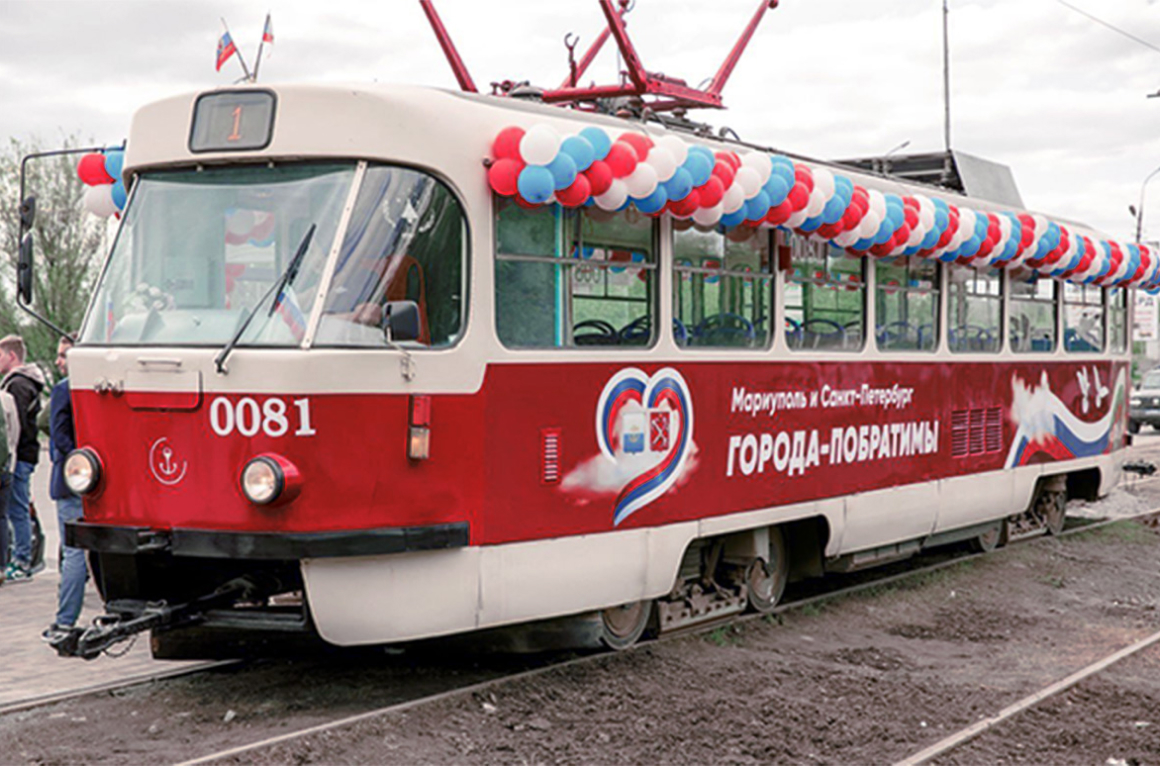
Watching from afar, exiled Ukrainian civil servants were devastated. The Russian authorities boasting about new schools and kindergartens were putting the finishing touches to facilities constructed by the Ukrainians. The new buses and trams, with “Mariupol and St Petersburg, twin cities” on the side, were rebranded Ukrainian models bought just before the war. “It’s our tram, it’s even with our registration number,” says Mykyta Biriukov, Mariupol’s former deputy director of transport.
Now without enough drivers, the buses ran intermittently. The heating didn’t work, leaving passengers to complain that during winter it was warmer outside than on board, Biriukov says. Only part of the tram network was restored, its routes set up with no thought to where people needed to go.
In its rush to show off a new Russian Mariupol to the world, Moscow funnelled billions of roubles towards reconstruction, often in the form of contracts awarded to private construction companies. This included R-Stroy, the firm charged with renovating Maksim’s apartment block. The company was established in May 2022, just as Russia took control of the city.
Russian administrators and many of the companies contracted lacked experience, says Ilya Shumanov, the general director of Transparency International Russia. Lots of the bureaucrats sent to Mariupol were from “the very bottom rung of the career ladder” of Russian officialdom. As for the construction companies, “often, these are people who are linked one way or another to government officials, rather than being stars of the construction world.”
The rebuilding of Mariupol is a classic Russian “mega-project,” says Shumanov. Projects of this sort receive massive state budgets and are expected to be completed in minimal time. Realities on the ground, like the number of available contractors, are often ignored, leading to problems with the work. “There’s also a total lack of transparency around the way the money is spent, creating seriously fertile ground for corruption,” Shumanov says.
The speed of construction contributed to its shoddiness. Good building work takes longer than the two or three months the Russians took to finish some of the new apartment blocks, according to Mykola Tryfonov, who had been head of Mariupol’s Capital Construction Authority. The concrete was only given a week to cure, Tryfonov says, not the three weeks usually required. He estimates that there will be structural problems within two to three years.
Across the city, residents have shared major problems with their homes on social media. Their accounts are likely to be just the “tip of the iceberg,” Shumanov says, as Russia controls the newly-occupied territories with an iron grip and most people fear speaking out. The videos portray the dereliction in which people live, but also the ways in which the so-called reconstruction has made a difficult situation worse.
Not far from the fake Crimean villages built to impress Catherine the Great, cracks were starting to show in Russia’s Potemkin facade.
There is no public record of the contracts Russia has awarded to companies such as R-Stroy, but documents shed light on the deals.
A semi-public entity called the Single Customer administers the contracts on behalf of Russia’s construction ministry. Documents show that between 2024 and 2026, Single Customer will receive Rbs445bn ($5bn) to dole out among the subcontractors tasked with rebuilding Ukraine. In a note attached to its 2022 annual balance sheet, Single Customer listed 22 companies to which it distributed funds, with $37mn going to R-Stroy in the second half of that year.
The FT identified 55 projects in Mariupol involving R-Stroy, establishing the links through state media reports, social media posts by Russian officials and the “passports” on building sites that list the companies involved in a project.
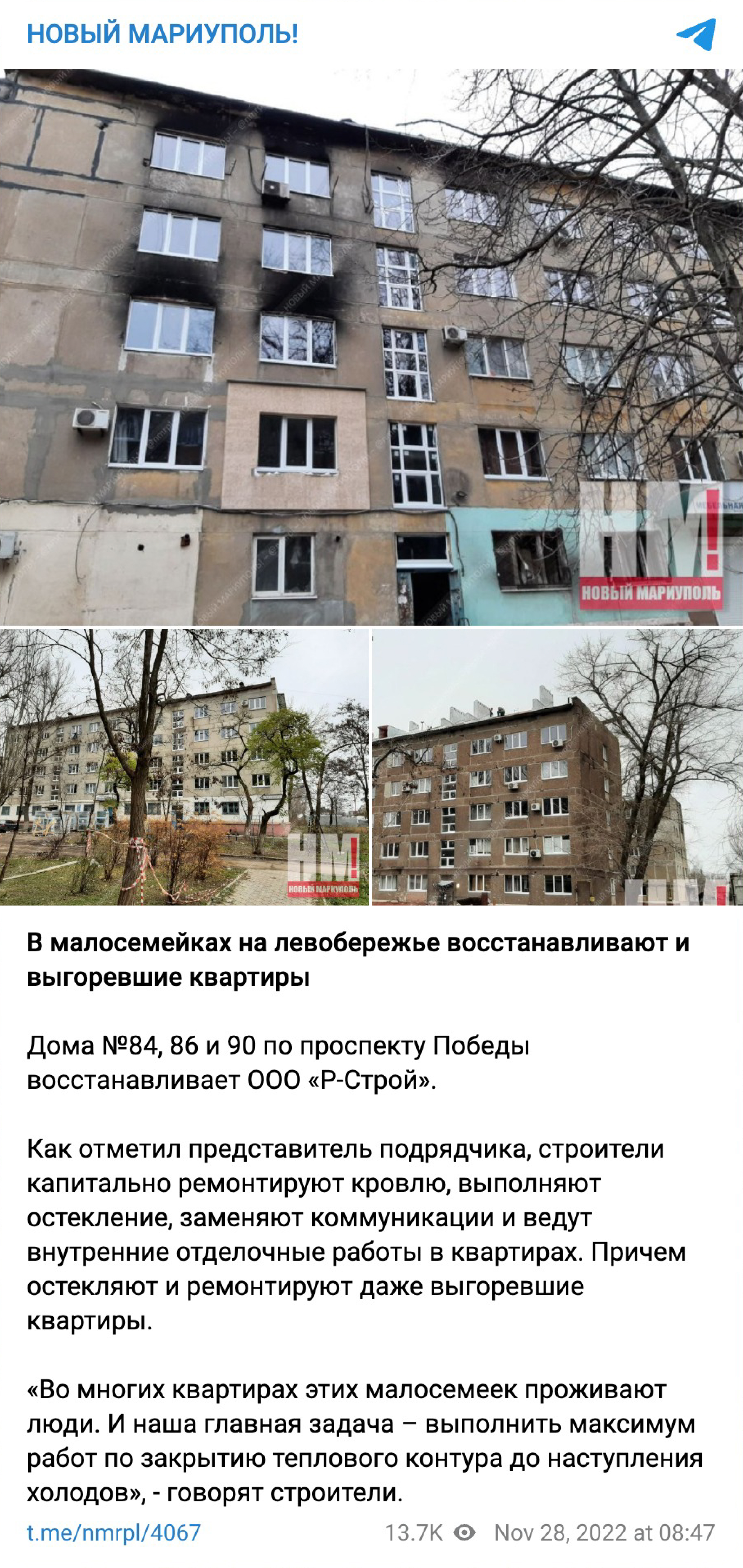
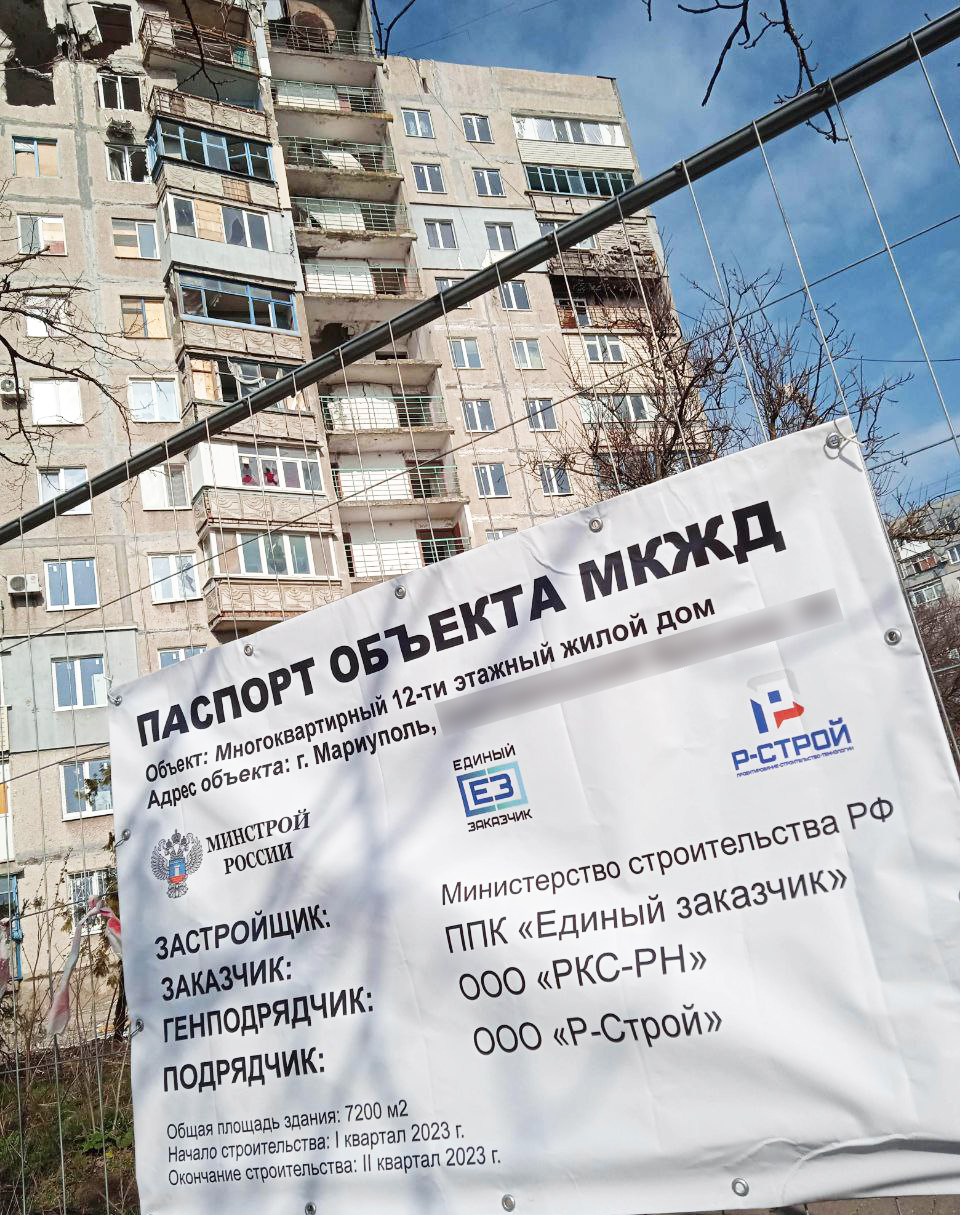
R-Stroy has been awarded a series of high-profile projects in the city, including the refurbishment of the Illichivets Stadium, the rebuilding of two university campuses and the reconstruction of dozens of residential buildings in the Left Bank. The company says that these projects were completed successfully and as quickly as possible. They add that at the stadium, “work was required to replace floors, restore the structural walls [and] completely replace utility networks.”
But as R-Stroy’s list of projects has grown, so have complaints from residents. The FT spoke to dozens of people living in buildings under construction by the company and collected testimonies from social media. The picture painted is grim.
“We waited 483 days for work to start on our house,” says Dmitri, resident of a 12-storey building under R-Stroy’s purview, located just south of Victory Avenue. “All sorts of excuses were given, but no one started the work.”
In letters to R-Stroy and the Russian authorities, residents across the Left Bank stress their anger and disappointment.
“During the war our homes were severely damaged by artillery strikes. Load-bearing walls, flooring and external walls lost their strength due to shelling and exposure to fires,” reads one letter signed by two dozen residents of a house within R-Stroy’s scope. “But there is no plan for reconstruction. No major repair works. No qualified personnel.” It pleads with R-Stroy to send a representative to see how little has been done.
The problems with R-Stroy appear systemic, a construction worker in Mariupol who used to work for the company says. The project he worked on was “shoddy”. The windows delivered were defective. At a different site, the roof was installed “in a very careless way.”
In his response to the FT, R-Stroy founder Konstantin Nuriev included photocopies of 22 signed, handwritten letters from residents of 15 apartment blocks in Mariupol thanking the company for its work. The FT was unable to verify the letters. Nuriev says that specialist companies conducted structural surveys; renovated buildings were signed off by occupants, the council and R-Stroy; and that the company tried to assist the vulnerable. He adds that strict rules regarding labour protection, industrial safety and the environment were followed at all sites.

Other residents of Mariupol face another challenge: proving that they own the apartments they lived in before the war. Some lost their documents during the fighting, or are just now returning to the city.
One woman says she was advised she would need certificates from newly established Russian courts to prove her home ownership. Her apartment had been renovated by R-Stroy. “Can you imagine what kind of money this will cost? Here we are, not working yet, nothing, and we have to run to court to prove our rights,” she says.
Others have been even less fortunate. Some owners of historic sea-view apartments in the heart of the city have found their buildings demolished and replaced with upmarket housing. Russian construction companies advertise “luxury” apartments in the buildings, while the original owners are offered replacement housing on the outskirts of the city.
“A big event is taking place today,” a resident says in a video posted online showing a new complex in the city centre. “Apartments are being handed over to their new tenants . . . but not to the real ones.”
Another resident told the FT she’d fought and lost a two-year battle to keep her home. “All the flats have been sold,” she says. “The new people in power here, they promised far and wide that when the fighting was over, people would be able to return to their homes. And yet.”

After its establishment, R-Stroy opened an office on Victory Avenue, registering its local branch at a mall that was damaged during the fighting.
The owners have many business ties beyond R-Stroy, including links to pharmaceutical giant R-Pharm — founded by Alexey Repik, known in Russia as one of the “kings of winning government contracts,” according to Forbes.
Repik says that R-Stroy had been hired by his mother’s company to work on a project unrelated to the reconstruction of Mariupol.
He also says he had “no involvement in the creation and activities” of R-Stroy and he “[does] not receive any income from the results of [its] work.” Neither Repik nor R-Pharm appear in the official records of R-Stroy.
But when R-Stroy was set up just after the start of Russia’s invasion, the company launched with a logo that was strikingly similar to R-Pharm’s.
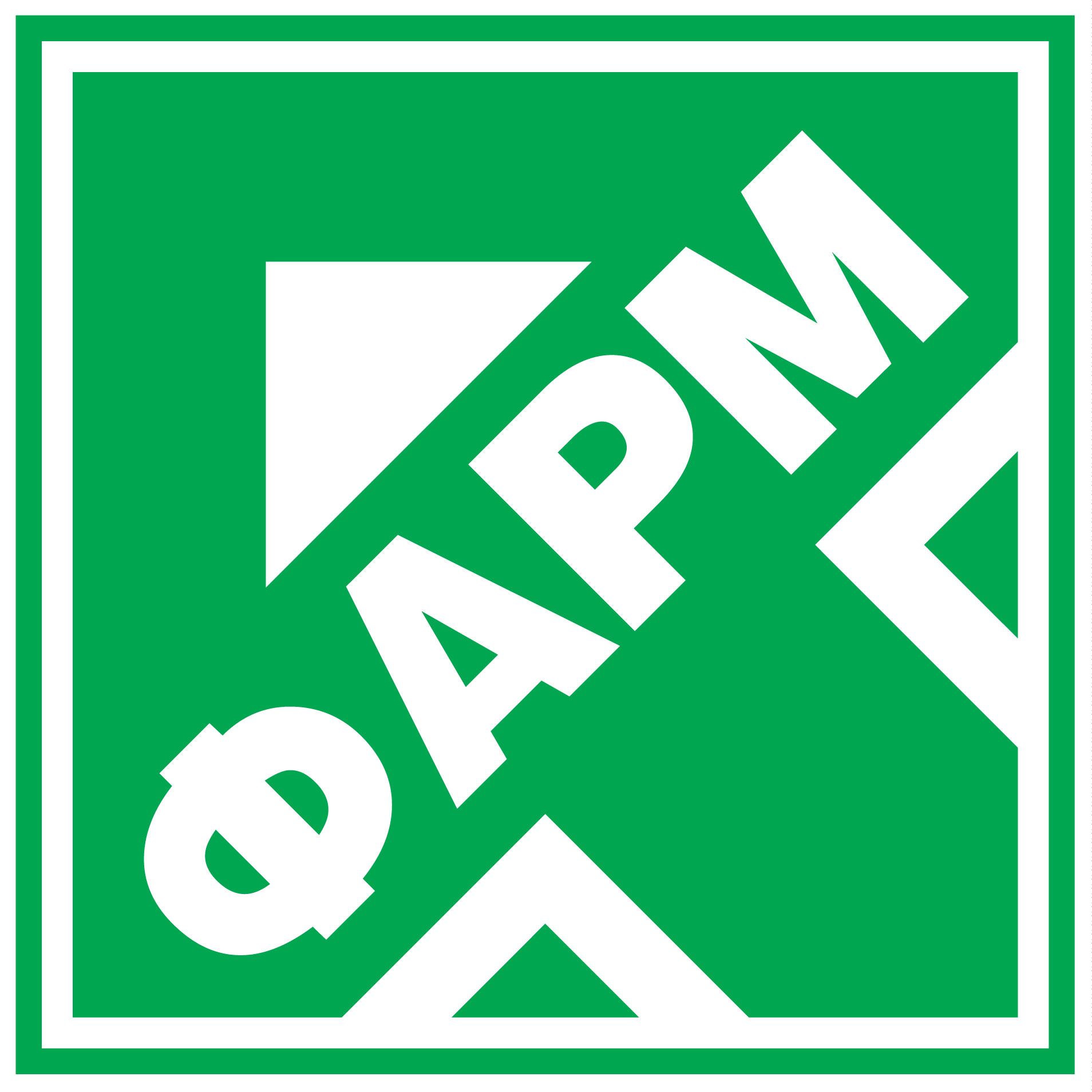

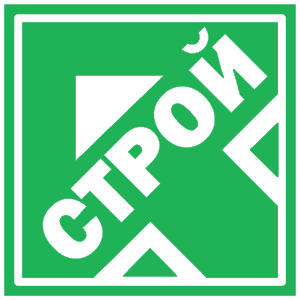


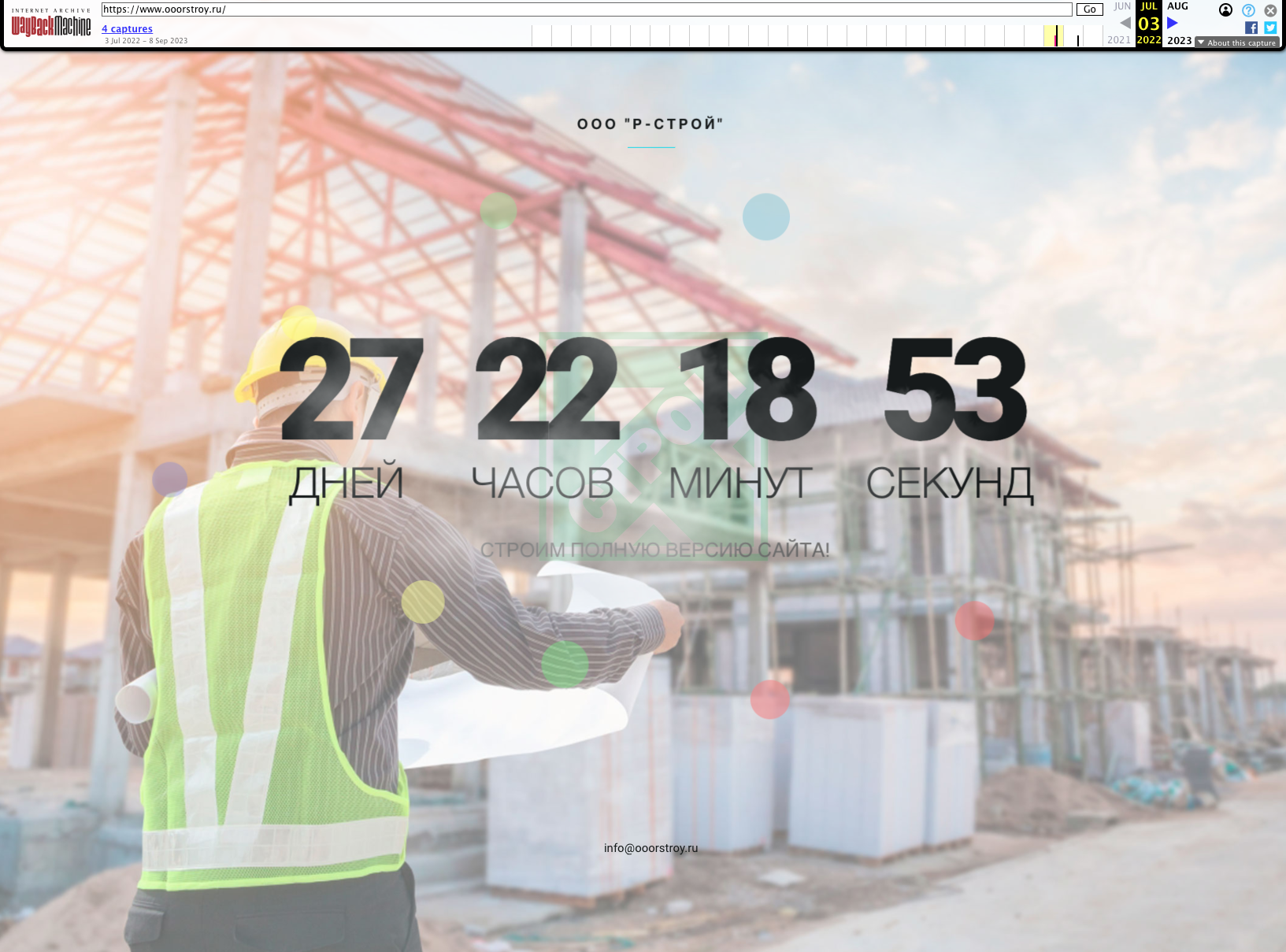
The construction company now has a new, distinct logo, but the old one can be seen on archived versions of R-Stroy’s website and on old R-Stroy recruitment ads for construction workers in Mariupol.
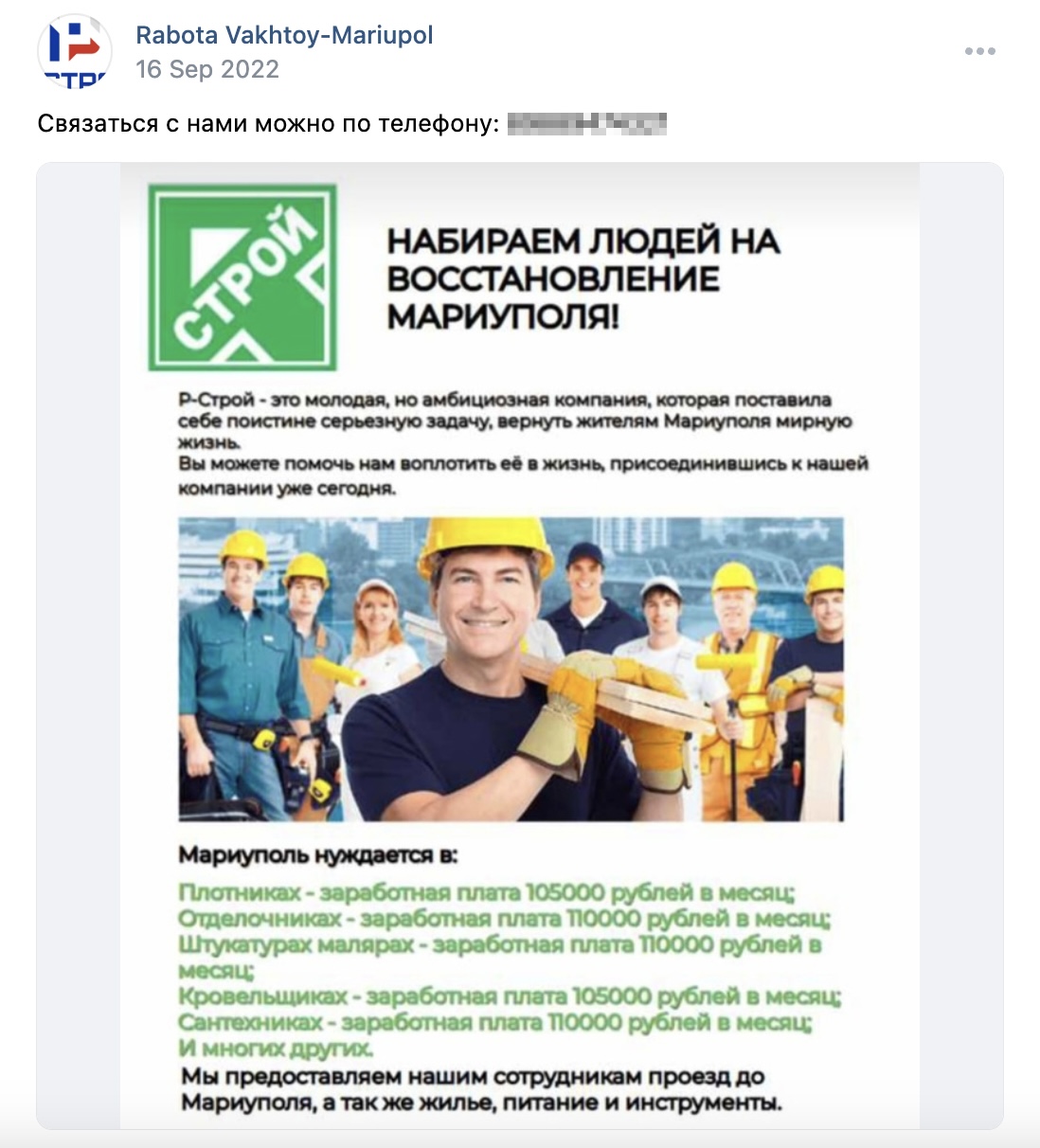
R-Stroy is a young but ambitious company that has set itself a truly serious task to return peaceful life to the residents of Mariupol.
You can help us make it a reality by joining our company today.
Repik suggests that Milkis may have made use of the branding for his new company while still an employee of R-Pharm. “It is not surprising to me that he adopted the logo and the principle of forming the name,” he says. “I assume that the logo was changed as soon as R-Pharm employees responsible for intellectual property discovered such use by a third party.”
In 2001, 21-year-old Repik founded R-Pharm with $40,000 of capital — half provided by his mother. He is now worth an estimated $2.4bn. In the first six months of 2021, the company sealed more contracts with the Russian government than any other firm, worth Rbs51bn, or 13 per cent of total government spending on tenders.
Repik was placed under sanctions in the UK in February 2023 for his “close working relationship with Putin”. He is also under sanctions in Canada, but not the US or EU. Neither the four owners of R-Stroy, nor the company itself, are under sanctions. Repik remains the head of a major Russian business lobby group. In December 2022, he welcomed R-Stroy owner Sibirev to its board.
R-Stroy is still a visible presence in Mariupol. In January, its employees were taking part in the company’s philanthropic works in the city, dressing up as fairytale characters and taking photos with local children to celebrate the new year.
A few weeks later, Dmitri stood on the roof of his building in the heavy fog, surveying the current state of his home. The snow had melted and water was again flooding through the temporary metal roof. Until work was completed on the main structure, insulation and other tasks could not be done. Without working lifts, elderly residents struggle with the stairs. Residents remain without hot water. In early January, the builders had suspended work yet again. Dmitri did not know when it would resume.
The names of Mariupol residents have been changed.
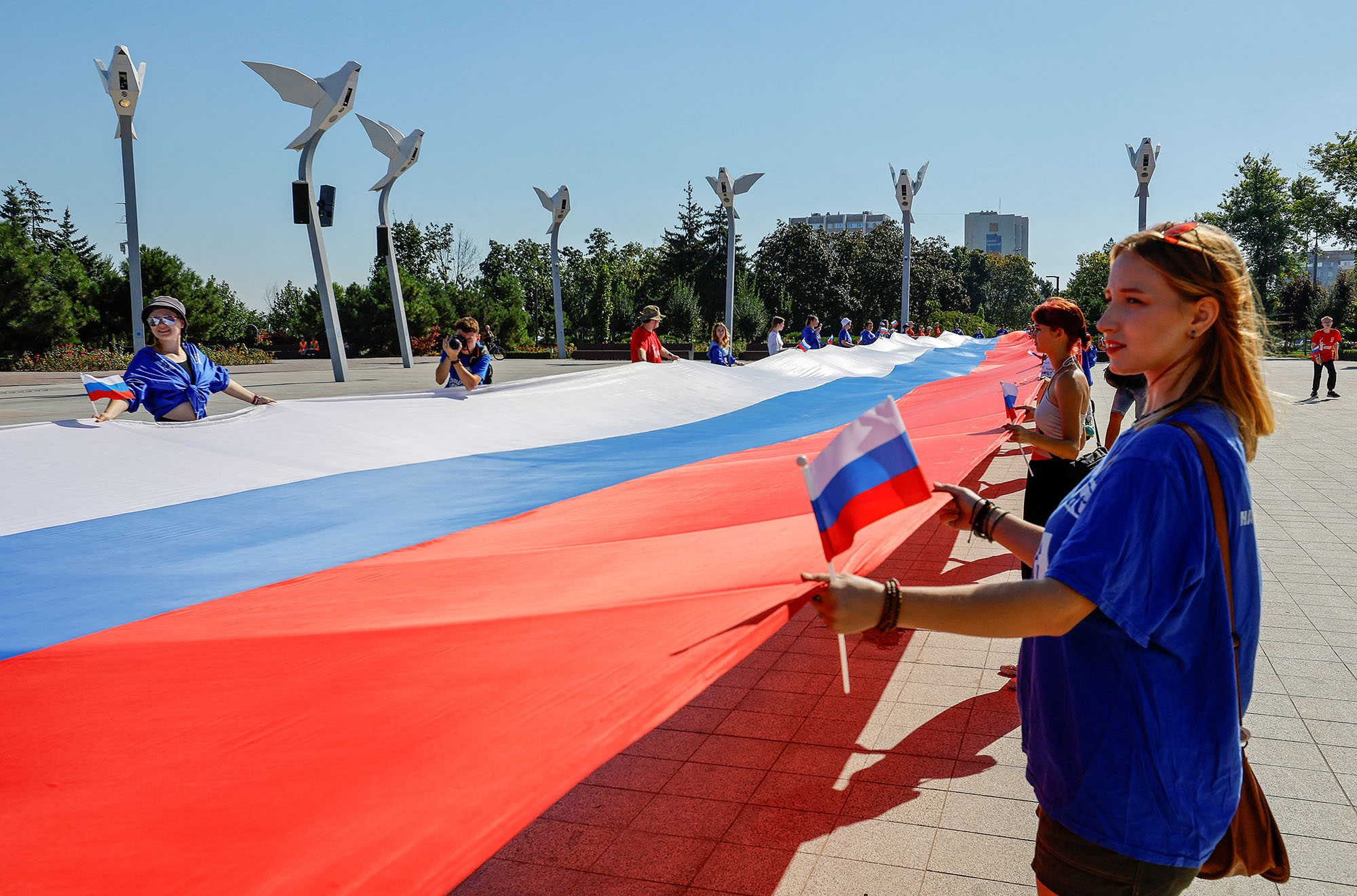
Videos and photographs in the opening of this piece showing Mariupol’s destruction sourced from social media. Photos of Victory Day and National Flag Day celebrations from Alexander Ermochenko / Reuters.